We’ve developed a comprehensive six-step process that acts as your personal health roadmap, to follow towards your health goals.


An annual health check is a simple yet important step toward staying well. It gives you and your doctor a clear picture of how your body is doing—and what can be done to keep you healthy for the long run. At Longevity Clinic, we see it as more than just a routine visit. It’s a chance to look at where your health stands today, and what can be done to help you stay on track tomorrow.
This check isn’t just for people with known health problems. Even if you feel well, things like high blood pressure, raised cholesterol, or early signs of diabetes can go unnoticed. Catching them early makes all the difference.
For Australians thinking about preventative health, this check is a practical tool. It gives you answers, peace of mind, and a clear way forward. It’s also one of the most effective ways to spot risks before they become serious.
A yearly check doesn’t just tick boxes—it sets the foundation for better living. Simple, thoughtful care, tailored to you.
Not everyone has the same health concerns. That’s why your annual health check is shaped around your age, history, and lifestyle. Some people benefit more from certain tests than others—and knowing when to start is just as important as knowing what to check.
Here’s a quick guide on who should consider booking in:
Your check can be as broad or as focused as it needs to be. We look at your health needs now, and how they may change over time. Everyone deserves care that sees the full picture—not just the symptoms.
At Longevity Clinic, an annual health check includes more than a quick chat. It’s a step-by-step review of your health, using proven tests and screening tools to give a clear view of what’s going on inside.
Here’s what’s typically included:
Every test is explained in simple terms, and results are handled with care. Not all tests are needed for everyone—but when we recommend something, it’s because it helps protect your future health.
Many of these screening tests are supported by national health programs or Medicare rebates. Our team will let you know what’s included and whether follow-ups are needed.
An annual health check is one of the most effective ways to protect your health. Many health problems build up quietly. You may not feel anything until something serious happens. A yearly check helps bring those risks into view—before they turn into something harder to manage.
Some of the benefits include:
A patient in his early 50s came in for his first annual check. He had no complaints, but his blood tests showed high sugar levels. With a few simple changes, his next check showed a big drop—and no need for medication.
A yearly check builds the habit of looking after your health, year by year. It’s a practical step that works in the background—quiet, but important.
A few small steps before your appointment can make it easier for your doctor to understand your health and give better advice. Here’s how you can get ready.
Taking a few minutes to prepare makes your appointment more useful. It also helps your doctor decide whether extra care from an allied health provider is needed, such as a dietitian or physiotherapist. The more your doctor knows, the more tailored the advice can be.
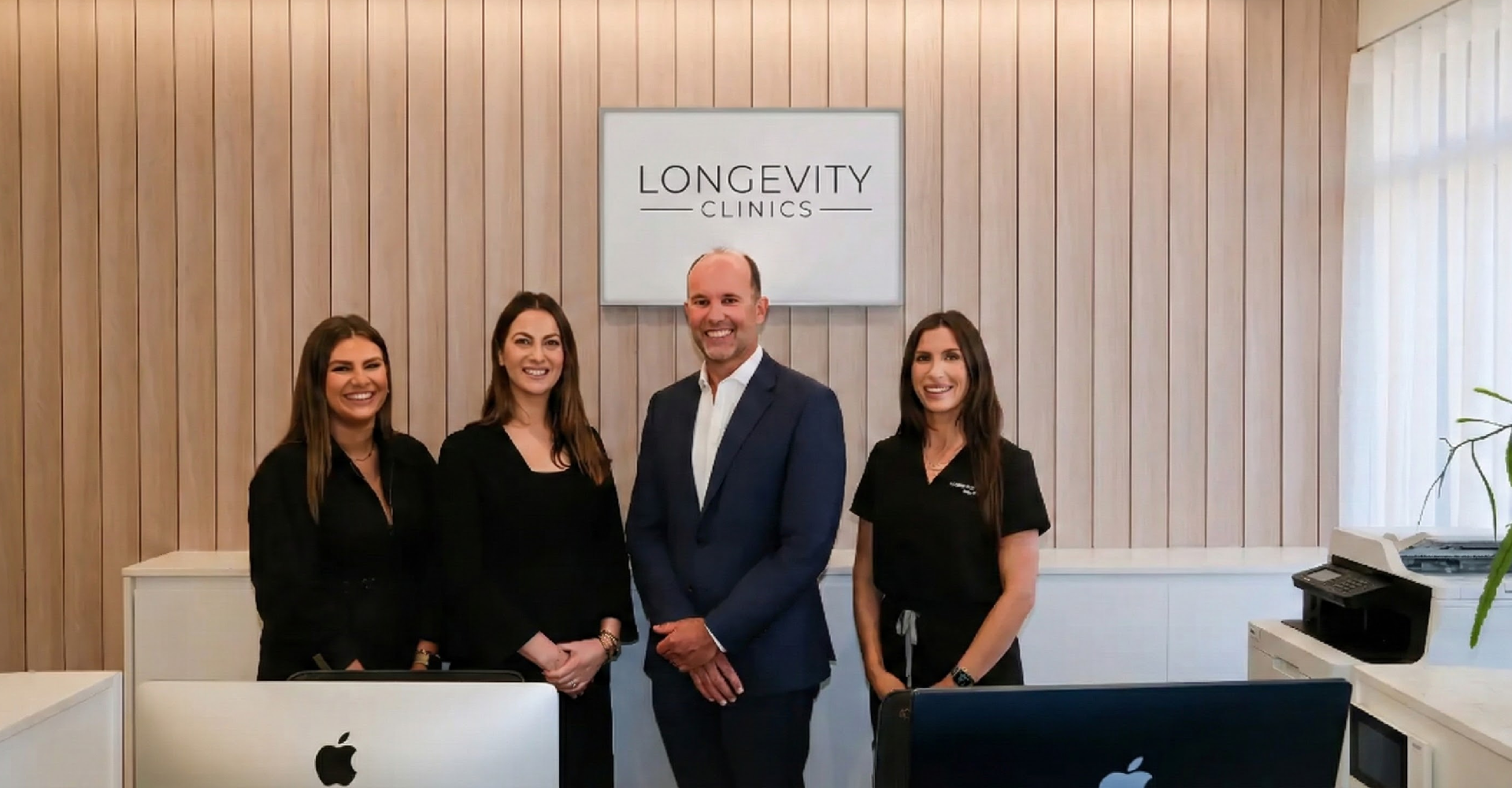
When you visit Longevity Clinic for your health check, you’ll be cared for by a team that works together to support your long-term wellbeing. We don’t just look at one area—we take a full view of your health, guided by people who understand different aspects of care.
Your general practitioner (GP) is your main contact. They lead the appointment, go through your results, and work with you on a plan that matches your goals and current needs. They’ll also decide if you would benefit from support from another member of the team.
That support may come from our allied health professionals, who bring their own areas of knowledge:
Your GP remains the centre of your care, but having access to this wider team means you’re not left to figure things out alone. Whether it’s managing a chronic condition, improving mental health, or adjusting to lifestyle changes, you’ll have help from people who know how to guide you through it.
Everyone plays their part, and each part connects. That’s what makes care at Longevity Clinic different—it’s not rushed, it’s not one-size-fits-all, and it’s built around what works for you.
Once the check is done, there’s a process that follows. It’s not complicated, but it matters. This part helps you understand what’s been found, what it might mean, and what you should do next.
You won’t just be handed a report. The doctor sits down with you and walks through what the screening tests, blood results, and other checks show. If something is slightly off, it’s discussed. If something needs more attention, it’s flagged. It’s all said in plain terms, so you’re not left unsure.
Some people leave with good results and a plan to return next year. Others might need to take a few steps now. That could mean a change in routine, more testing, or keeping an eye on something. Either way, the doctor builds a plan that makes sense for you. That’s the start of proper health management.
Not everything can be handled in one visit. If something does come up, like signs of a heart issue or rising sugar levels, the clinic can connect you to the right person. That might be a specialist, or someone from the allied health team—like a dietitian or counsellor. Referrals are made only when they’re needed.
Not everyone needs another appointment soon, but if something was found, you might be asked to come back in a few weeks or months. Follow-ups are part of the full health service. They make sure nothing is left hanging.
After the check, you leave with answers. You know what’s going on, what needs to be done, and who’s there to help if needed. It’s not rushed. It’s done properly, with a steady pace that fits you.
It depends on your age, medical history, and general health. Most checks cover your vital signs, a range of blood tests, a review of past health issues, and screening for things like diabetes, heart risk, and cancers. Your doctor will explain what’s relevant for you.
Not at all. These checks are for people who feel well too. They’re meant to pick up early signs of trouble before they become harder to manage. Many of the people who come in have no symptoms but want to stay on top of their health.
Some things can be discussed during your visit, like blood pressure or BMI. Blood test results usually take a few days. Once everything is back, your doctor will go through it with you and explain what’s normal and what needs a closer look.
In many cases, yes. Some tests and parts of the appointment may be bulk billed, depending on your situation. We’ll let you know beforehand if anything isn’t covered, so there are no surprises.
Once a year works well for most people. If you have a chronic condition, your doctor may suggest checking in more often. It’s something that’s decided based on your needs—not a set rule.
You’ll be supported every step of the way. If a test result points to a bigger issue, the clinic will guide you through the next steps—whether that’s seeing a specialist, doing more tests, or starting treatment.
Yes, absolutely. If you’ve been feeling low, anxious, or off balance, it’s okay to bring it up. Mental health is part of your overall wellbeing, and your doctor can talk through options or refer you to the right person if needed.
Some parts are the same, but others are specific. For example, cervical screening is part of women’s health checks, while prostate checks may be included for men. Your check is adjusted based on what fits your age and health background.
For some blood tests, yes. If your check includes cholesterol or glucose testing, fasting is usually required. We’ll tell you exactly what to do before you come in.
Yes, that’s no problem. Some people feel more comfortable having a partner or friend with them. If it helps you feel at ease, you’re welcome to bring someone along.
