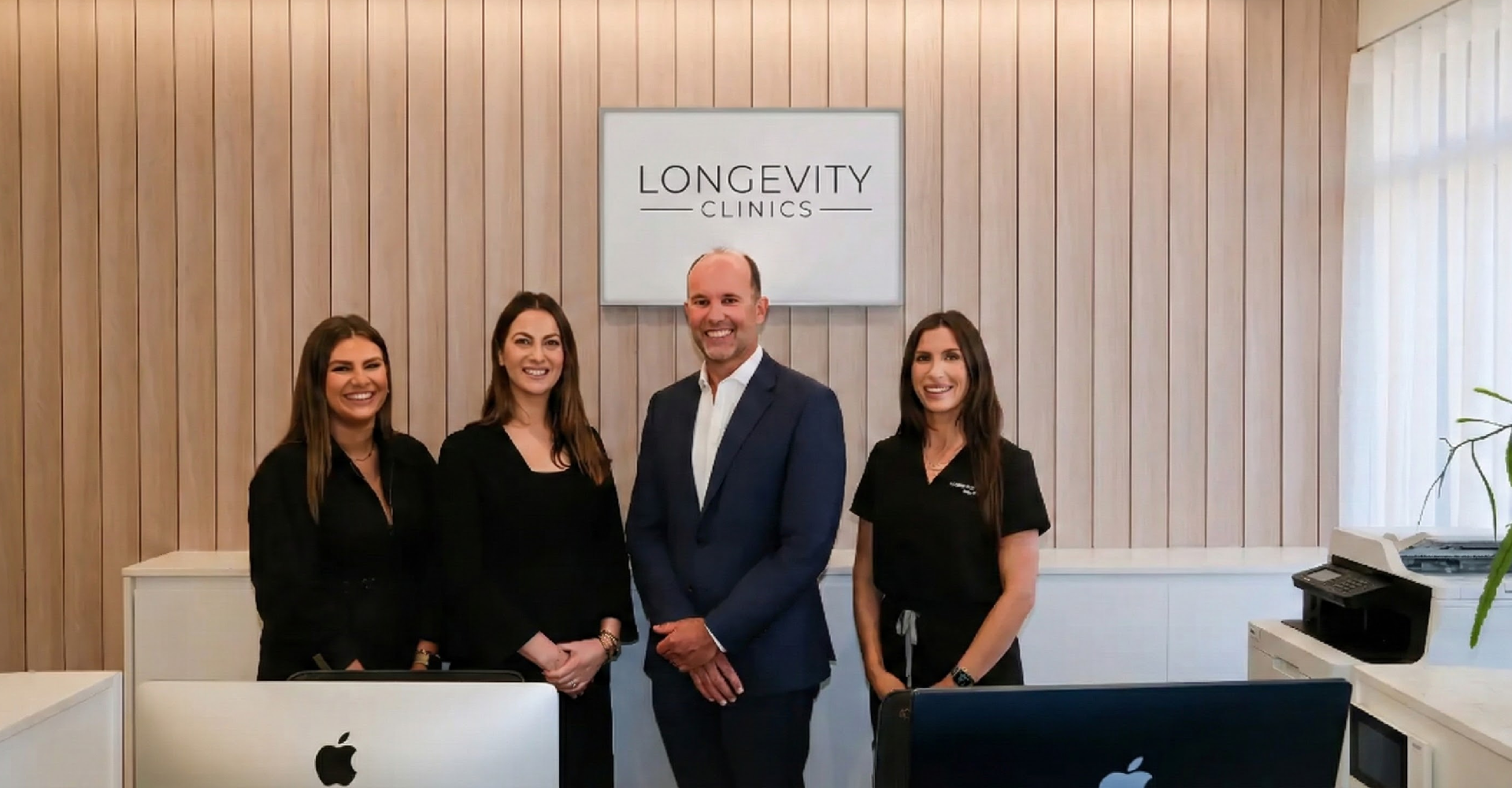
We’ve developed a comprehensive six-step process that acts as your personal health roadmap, to follow towards your health goals.


There’s a difference between feeling fine and knowing you’re truly well. Many health problems don’t show signs early on. They develop quietly, often going unnoticed until they cause real trouble. That’s why a proper, full body check matters.
At Longevity Clinic, we take a long-term view. This isn’t a quick once-over. Our Comprehensive Health Assessment is a full review of your current health and medical background. It’s designed to find any hidden issues, catch early signs of change, and give you a clear idea of where your health stands today.
A standard check-up might take a few minutes and cover just the basics—blood pressure, maybe a blood test or two. What we offer goes far beyond that. We bring together clinical knowledge, detailed testing, and time to listen. We use evidence-based tools, not guesswork. And we’re focused on preventative health, not just fixing what’s already wrong.
This assessment gives you time with experienced health professionals who don’t just tick boxes. They ask real questions and pay attention to the answers. It’s about understanding your health history, current risks, and what can be done to support better outcomes down the track.
Many of our clients come in without symptoms. They’re not worried about something—they just want to be sure. Others come with a few concerns or a strong family history and want proper answers. In both cases, this kind of review can offer peace of mind.
You might consider a full body check if:
We’re here to help you stay ahead of your health—not chase after it.
When we say comprehensive, we mean it. This is not a brief check. It’s a complete medical review, tailored to your needs. Everything we do is based on real clinical guidelines, not assumptions.
Here’s what we cover:
We start by looking at the full picture. Your background matters, and we take time to go through it properly.
This part is personal. You get space to talk and be heard. It helps guide the rest of the check.
Blood tests can reveal what’s going on beneath the surface. We order a wide set of labs that check:
Your results aren’t just handed to you—they’re explained. We help you understand what they mean and what to do next.
Heart disease doesn’t always show up in obvious ways. Many people have signs they’re unaware of. That’s why we check your heart even if nothing feels wrong.
We don’t rely on one test alone. We look at patterns and combine findings to get the clearest view possible.
Cancer checks are included based on your age, sex, and history. We don’t over-test, but we don’t miss the important ones either.
These tests are always discussed with you before they’re done. You’re part of every step.
This isn’t just about disease. It’s about how well your body supports your life. We look at things that affect your energy, strength, and ability to function.
These results often surprise people. Sometimes small changes make a big difference.
Each part of this check gives you a deeper understanding of your health. We don’t rush, and we don’t generalise. Everything we do is aimed at helping you get the full picture—so you can make informed decisions with the right support.
This assessment is built for people who want clarity and direction when it comes to their health. It’s not about being sick—it’s about staying ahead of things and understanding what’s going on before issues take hold.
Some people come to us with a long health history. Others are healthy and simply want a full review to stay that way. We see both. What matters is that you want a proper assessment—not just a quick check.
We also work with people living with more complex health or social needs. That might mean dealing with multiple conditions, managing medications, or juggling different specialists. It might also mean needing more time, clearer communication, or tools to support understanding. Our team understands how to provide care in these situations without rushing or overwhelming.
We also make sure our services are accessible for people with intellectual disability. That means clear explanations, flexible support, and making space for carers or family to be part of the conversation when needed. Health is for everyone, and good care should never feel out of reach.
This service is right for you if:
Health isn’t one-size-fits-all. That’s why this assessment is built to meet you where you are—whatever that looks like.
This kind of assessment isn’t just about collecting test results. It’s about what those results mean for your day-to-day life and your future. When we take time to go through your full health picture, the benefits are clear and lasting.
1. Early Detection & Prevention Many health issues don’t show signs right away. With the right tests and questions, we can pick up risks before they become problems.
This is the heart of preventative health—taking action before damage is done.
2. A Structured Plan, Just for You You won’t walk out with a generic report. What you get is a step-by-step health action plan built from your results.
We base this on your personal health needs, not on one-size-fits-all guidelines.
3. Better Day-to-Day Function Health isn’t just about illness. It’s about how you live each day. This check looks at your activities of daily living, stress levels, and how your body supports you.
These changes often make the biggest difference in everyday life.
4. Ongoing Support When You Need It You’re not left to figure things out alone. Our team helps you move forward, step by step.
We focus on collaborative care—your GP, specialists, and support workers can all be part of the plan.
5. Tracking Progress Over Time Health isn’t static. This check gives you a solid baseline to compare against in the future.
This isn’t a one-off report—it’s a reference point for your long-term care.
This assessment follows a simple path. It’s designed to give you a full view of your health without making the process feel rushed or complicated. At Longevity Clinic, we take things one step at a time and explain everything as we go.
Before your visit, we’ll ask you to complete a form that covers your health history. This includes any current or past conditions, medications, surgeries, and anything else that helps us understand your background. If mental health is part of the picture, we take that into account too. Where needed, we help build a mental health management plan. All of this becomes part of your medical record, so we’re ready before you arrive.
If you have extra needs—for example, if you live with a disability or prefer communication support—we plan for that from the beginning.
You’ll sit down with a clinician for a one-on-one medical consultation. This is where we talk through your current health, any changes you’ve noticed, and your goals moving forward. We take vitals and carry out the tests that apply to you.
This might include blood tests, scans, or heart checks. Everything is based on your situation—not a set list—and follows current clinical practice and guidelines. We’re not here to do more than needed. We do what’s useful, and we do it properly.
Once your results come in, we review them together. You won’t be left to read a report on your own. We explain what we found and what it might mean. If something needs attention, we talk about it clearly. If everything looks good, we show you how to keep it that way.
We use assessment tools to help guide this part, but our focus stays on what’s practical for you. The discussion is shared. You’re part of it.
If you need a referral, we organise it. If changes are needed, we map out what to do next. Everything we suggest fits your day-to-day life. It’s your health plan, not a generic list.
You’ll also know when to come back. Most people return every 6 to 12 months for follow-up. These visits help track your progress and support future clinical decisions. It’s a steady way to stay informed and supported over time.
No, it goes well beyond that. A standard check-up might cover a few basics, but this is a comprehensive assessment. We take time to review your full medical history, ask the right questions, and carry out detailed testing based on your risks and needs.
We usually recommend doing this as an annual health assessment, especially if you’re focused on long-term health or managing more than one condition. If you have ongoing concerns, some parts of the review might be needed more often.
Yes. Good care includes both. We include questions and planning around mental wellbeing and offer support if needed. If you already have a mental health plan, we can include that in your file and update it during the review.
Your GP handles general care and shorter visits. This structured assessment gives more time, space, and detail. It’s not about replacing your regular doctor—it’s about giving you and your team more detailed clinical information to work with.
It depends on your background, but it may include blood work, imaging, heart checks, and more. Everything is based on real needs, not routine. This is a clinical assessment, not a pre-set package.
Yes. We regularly support people using the health and aged care system, and we adjust how we work to meet each person’s needs. If you need help with mobility, communication, or anything else, we can make sure the process fits.
Absolutely. We welcome support people, carers, or family members—especially for those living with complex conditions or disabilities. Our approach is grounded in practical health care, not just clinical results.
Yes. After the assessment, we give you a summary of findings and a plan you can share. If needed, we can send it directly to your GP or specialist. That’s part of working as a connected health service organisation.
Some tests may be eligible under Medicare, depending on your situation. We follow standard clinical practice and explain what’s covered and what isn’t before we begin.
Yes. That’s actually when it works best. Many serious conditions don’t show signs early on. This kind of comprehensive assessment helps you stay informed and act early, not late.
