A DEXA Scan sounds technical until you have one. In reality, it’s just a few minutes lying still, and it gives you clear answers about bone strength and how your weight is divided between muscle, fat, and hidden visceral fat. Two important insights, with no discomfort.
More Australians are now choosing DEXA scans for prevention – not because something is wrong, but because they want clarity before problems appear. At Longevity Clinics, DEXA scanning is part of a broader health picture. Used alongside our other services, it helps patients move from guessing to understanding, and leave with clear, measurable goals for their health.
Many people assume DEXA scans are only for older adults or those with diagnosed bone conditions. In reality, changes in bone density often begin years before symptoms appear. That’s why DEXA is used not only for diagnosis, but also as a powerful tool for early detection and prevention.

Bone density can decline for years without symptoms. Without a DEXA scan, changes in bone strength are often only identified after an injury occurs.

Without baseline data, it’s harder to make timely, targeted lifestyle or treatment decisions.
Harmful fat around the organs isn’t visible or reflected on the scale. Without measurement, cardiometabolic risk can be underestimated.
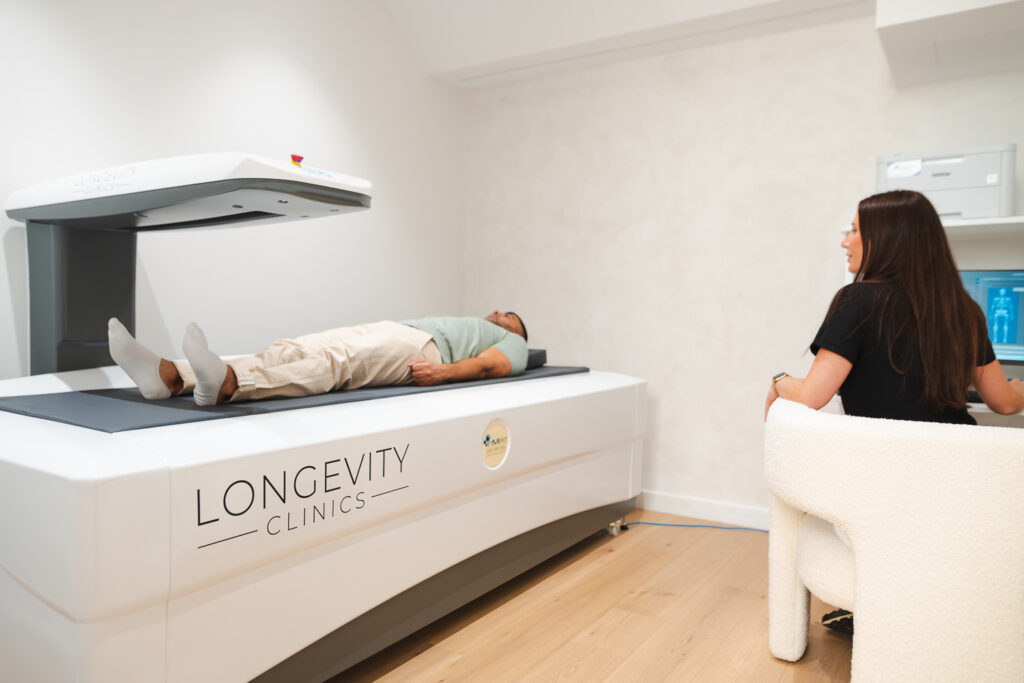

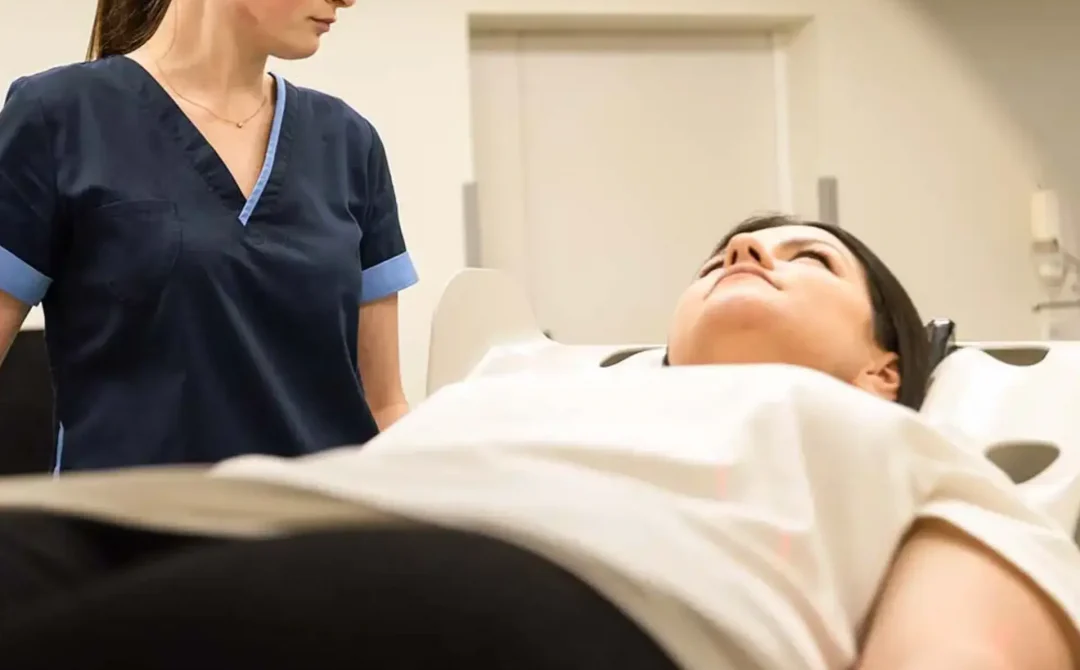
No fasting, no injections, no special preparation. You arrive, have a short chat with the technician, and get started.
Then you’re done. No recovery time. You can head straight back to work, to the gym, wherever you need to be. The results aren’t just numbers; they come with images and breakdowns. We walk through them so you understand what’s showing up and why it matters. You can see your bone density scores, muscle-to-fat ratio, and changes if you’ve had scans before. That context is where the value really sits.
A bone density scan, also called bone densitometry or dual X-ray absorptiometry, is designed to measure bone mineral density and bone mineral content rather than just creating pictures. Unlike a CT scan, it focuses on assessing bone mass and the distribution of soft tissue without exposing you to a high radiation dose.
It is often recommended if there is a history of bone fracture from minor falls, low bone mass shown in earlier tests, or risk factors such as low vitamin D levels. A bone density test can also be advised after certain blood tests suggest bone health concerns.
Yes, while its primary role is to measure bone mineral density, it also provides insight into soft tissue composition. This makes it useful for assessing muscle mass and fat distribution alongside bone health.
The radiation dose from this type of scan is very low, much less than most other medical imaging methods. It is safe for repeated monitoring when bone health or body composition needs to be tracked over time.
By measuring bone mass accurately, a DEXA scan can detect early loss of density. This allows for timely interventions, such as improving vitamin D intake or making lifestyle changes, to strengthen bones before a fracture occurs.
A DEXA scan goes beyond a single number, measuring both bone density and body composition in one quick session. Known as the gold standard, it provides accurate insight into muscle, fat, and bone health. These results help guide smarter decisions around exercise, nutrition, and prevention, giving you a clear baseline for long-term health.

Obtain usable data & information about your own body to help you measure and manage your health goals.

From nutrition to medication, you’ve got data to base it on.

DEXA enables you to benchmark and track changes in your muscle mass, fat mass and bone density for improved performance and health.

Trusted and ethical team of Australian doctors and practitioners available online.


Unlock your potential and redefine your limits with us. The objective of our nurses and doctors is for you to live longer, and enjoy your life to the fullest.
Contact Us
Address: 175 Edgecliff Road, Woollahra NSW 2025
Phone: +61468155554
Email: [email protected]