Functional Medicine In Australia: A Different Way To Look At Health

People get sick, they see a doctor, they get something for the pain or for the level of their cholesterol or blood sugar or blood pressure, and they keep going. That’s the routine. But the question is still there – why did it happen in the first place? Why do symptoms keep coming back? Functional medicine tries to answer that. It doesn’t start with the pill, it starts with the ‘why’. And that’s why it feels different.
At Longevity Clinics, more and more people are asking for this. Not because it’s a trend but because the big diseases keep showing up – cancer, heart disease, diabetes, muscle and bone problems, memory loss, stress-related decline. They take years off life and quality. Australians are beginning to look for care that’s not just ‘manage it until it gets worse’, but care that might actually stop it before it turns into something bigger.
This isn’t a guide to medical theory. It’s just a look at what functional medicine is, how it works, and why people in Sydney and across the country are talking about it.
It’s not complicated if you strip it down. It’s health care that looks past the symptom list. A blood test might tell you cholesterol is high, or an ECG might track a rhythm, but it doesn’t explain the reasons behind it. Functional medicine steps back and looks at your genes, your habits, your stress, your diet, your sleep, even the environment around you. It tries to connect the dots.
It does not suppose that everybody fits in one category. Two exhausted individuals tired in the same way may have two different root causes of exhaustion. One of them could be hormonal, one of them could be nutritional, one of them could be sleep patterns. Therapy varies according to that.
Some of the things that drive this way of thinking:
That’s the foundation of functional medicine, and at Longevity Clinics, that’s how we build the care plans.
Day-to-day choices matter more than people expect. Functional medicine doesn’t put lifestyle in a small box at the bottom of your health priorities, it puts it front and centre.
These aren’t side notes. They’re main tools in the way functional medicine works.
Conventional medicine has strengths. If you break an arm or need surgery, you need it. But for long-term health, conventional medicine can be limited. The goal is often symptom management. Painkillers for pain, blood pressure tablets for pressure, sugar medication for sugar. They work, but they don’t always stop the condition from progressing.
Functional medicine flips that idea. It looks early, before the diagnosis lands. A holistic doctor at Longevity Clinics may spend longer with you, review your story, lifestyle, run wider tests, not just the basics. They’re trying to see the early signs of imbalance so the changes can start before disease sets in.
People choose this because they’re tired of patching over the surface. They want someone to join the dots between fatigue, diet, sleep, genetics, stress. And they want prevention, not reaction.
The big difference is that functional medicine doesn’t wait. It doesn’t wait for disease to fully form before acting.
That is why it is more appropriate for prevention. You can impact things before they worsen. You make alterations when the window is perforated. This does not imply that medicine or drugs do not play a vital role in it, it is just that they are not the only responses.
It’s not like a quick GP visit where you sit down, mention a symptom, and walk out with a script in five minutes. A consultation in functional medicine is slower, longer, and sometimes feels more like a conversation than an appointment. The first meeting with our consultants often stretches because the aim is to actually hear the whole story. Your past health, your family background, daily routine, food, stress levels, sleep, work habits — it all gets pulled into the picture.
It has tests, although not necessarily immediately. The emphasis is to look at the individual rather than the outcomes. Then diagnostics may enter — blood tests, microbiome analysis of the gut, micronutrient screening, in some cases genetics. The need may arise for higher ordered imaging including DEXA scans on bones, a whole body MRI on risky areas that may lie beneath the surface, and even ECG of heart rhythms. This may sound like a lot, but it is not about passing tests without purpose. It is knowing what is actually going on in there rather than assuming what was going on.
The idea is to build a baseline — a starting point where you can see what needs support and what’s already working well.
Conventional care may rely on a few numbers, blood pressure, cholesterol, and sugar. Functional medicine uses a wider net. Some of the tools used are:
All the tests are not required by everyone. That’s the point. It is paired with the person, with the situation that arises in the initial consultation. Some require emphasis on bone density, others on cardiovascular health, others on metabolic measurements.
We will also explain the results to you, and what they mean for you, so they are not simply numbers on a list.
After the digging comes the plan. This is where the functional medicine model feels most different. At Longevity Clinics, the plan is not just a prescription, but a roadmap.
It might include dietary adjustments that are sometimes simple swaps, sometimes deeper ones, depending on intolerances or imbalances. Stress management is nearly always included because chronic stress affects everything. Movement plans are set to the person, and do not just advise ‘more exercise’. Supplements can be added if gaps are found.
The important part is that it’s tailored. If sleep is poor, focus starts there. If digestion is weak, the gut becomes the priority. If cardiovascular markers are showing strain, the plan leans on circulation, weight, and activity. And it doesn’t stop with ‘do this’. Progress is checked, markers are tracked again, plans are adjusted.
It’s not just a fad. The reason demand is climbing is because people are tired of only managing illness. They want prevention. They want someone to tell them if they’re heading for trouble before it arrives.
At Longevity Clinics, patients come not just for answers but for guidance. They want someone to walk through the mess with them, connect the dots, and give direction. That’s what this approach provides.
Not every practitioner is the same. If you’re in Australia and searching, it helps to check a few things before committing:
These are the questions worth asking. Because this isn’t about one visit. It’s about a longer path.
We’ve seen functional medicine work because we use it daily. At Longevity Clinics, it’s not a side service, it’s built into how we approach patient care: Comprehensive biomarker testing; advanced imaging when it’s needed; doctors who know how to link results with action, not just point to numbers; plans that cover diet, stress, exercise, supplements; continuous monitoring so you’re not left wondering if things are shifting.
It’s not about overwhelming you with science. It’s about giving clarity about here’s what’s working, here’s what’s off balance, here’s how to fix it.
Functional medicine is not about replacing conventional care. It’s about expanding it. It takes what’s already known, good diagnostics, treatments when they’re needed, and layers on prevention, lifestyle, and personalisation. It’s healthcare that asks more questions.
For Australians, especially in Sydney where awareness of wellness is already high, it’s becoming part of the conversation. People want to feel younger, stay active longer, keep chronic disease away. And functional medicine offers a path for that.
If you’ve been waiting until symptoms show, maybe it’s time to change the approach. Prevention is better than treatment, and the tools are already here.
Functional medicine isn’t hype. It’s a model that centres the person, not the symptom, digs into causes, not just results, and keeps prevention ahead of reaction.
At Longevity Clinics, we’ve built it into everything we do. From testing to planning to follow-up, the aim is clear: give people control back over their health. Reduce risks, lengthen healthspan, and make sure the years ahead are lived well, not just survived.
If you’ve been looking for a way to move past quick fixes, this is the start.
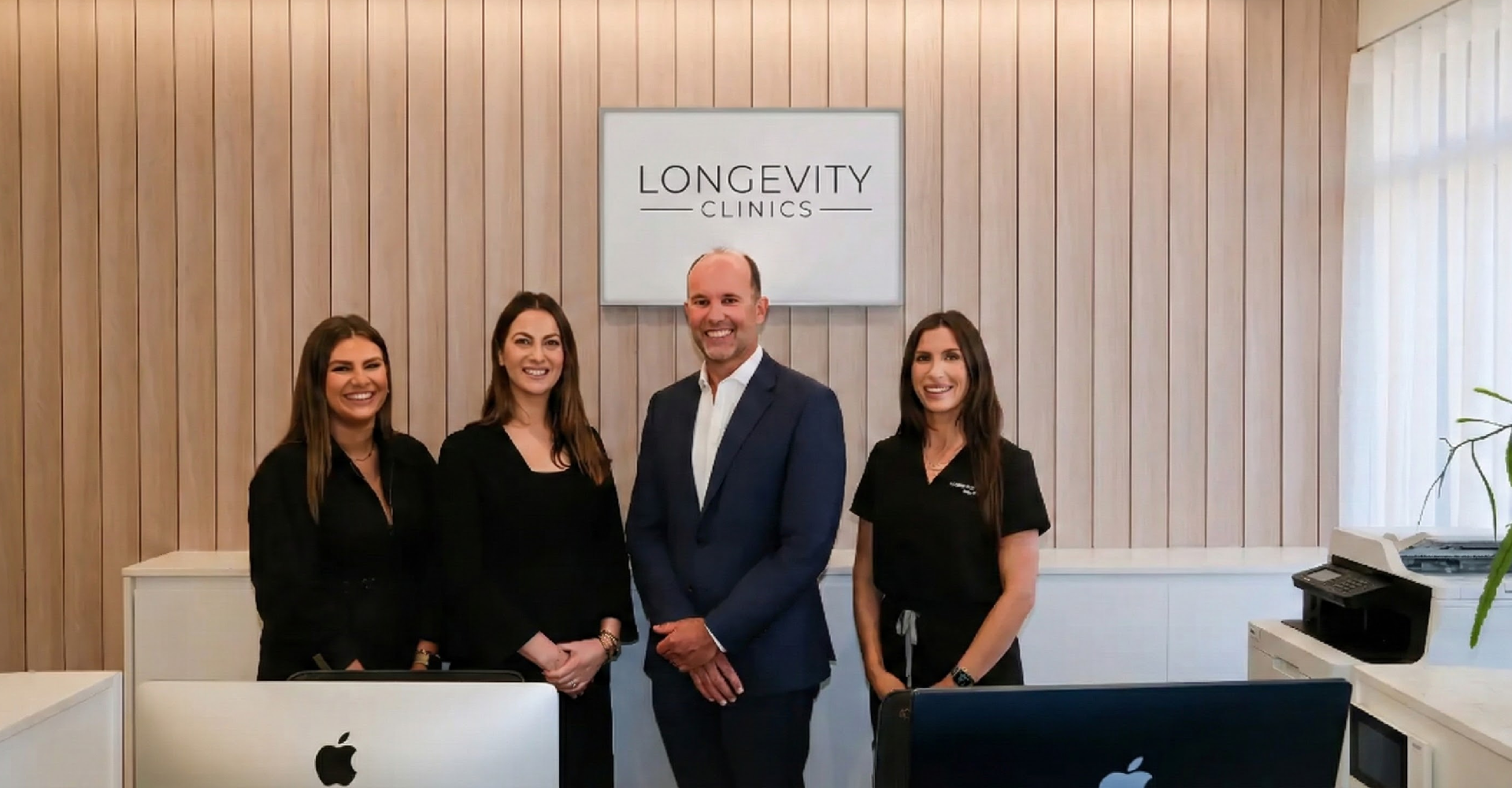
We’ve developed a comprehensive six-step process that acts as your personal health roadmap, to follow towards your health goals.


