Healthspan And Lifespan – Why Both Matter In The Bigger Picture
When people talk about health, the focus usually goes straight to years lived – a lifespan. This is how long someone lives for, and we all hear stories about those people who reach 100. But a longer life isn’t the full story. The question hiding underneath is: what are those years like?
That’s where healthspan comes in. Healthspan is about the years lived in good health, without chronic illness or heavy decline, years when you can move, think, and live independently. It’s the part of life where you feel like yourself, not just existing but enjoying.
Modern medicine has stretched lifespans, that’s clear. More people survive diseases that used to cut life short. But healthspan hasn’t always kept pace. Many people spend the final decade or more managing conditions, limited by pain or reduced function. The gap between healthspan and lifespan is a growing concern.
Healthspan is quality. It is the stretch of life spent free from major disease, where you are able to function physically and mentally. It’s not about perfection but about independence, being able to get around, make decisions, and live without constant medical interventions.
Lifespan measures quantity of years, while healthspan measures how good those years are. Ideally, the two overlap. Realistically, they don’t always.
Several systems of the body carry a heavy influence on how healthspan plays out:
Each area alone matters, but together they shape the length of healthspan more than we often admit.
Advances in surgery, medication, and acute care extend lifespan. But many people live those extra years managing multiple chronic conditions. In Australia, research shows one of the widest gaps between healthspan and lifespan – over 12 years on average. This means people live longer, but spend a big part of that time unwell.
The goal isn’t to shorten lifespan to match healthspan, it’s to extend healthspan closer to lifespan. The years lived should be years lived well.
Early action changes the curve. Preventative health is concerned with seeing issues before they become conditions which are here to stay. Routine checks, healthier lifestyle choices, and small changes earlier on can shift healthspan years forward.
It’s not only for personal benefit. Prevention also pays back at a community level. Studies highlight the economic return, money saved, and productivity maintained, alongside the lives extended with quality. For every dollar put into preventative care around cardiovascular disease and diabetes, the return was estimated at over ten times more.
There is no such thing as a magic pill to increase healthspan, but daily routines do count. These include:
The point isn’t a full reset overnight. It’s small, sustainable shifts that stack up into longer, healthier years.
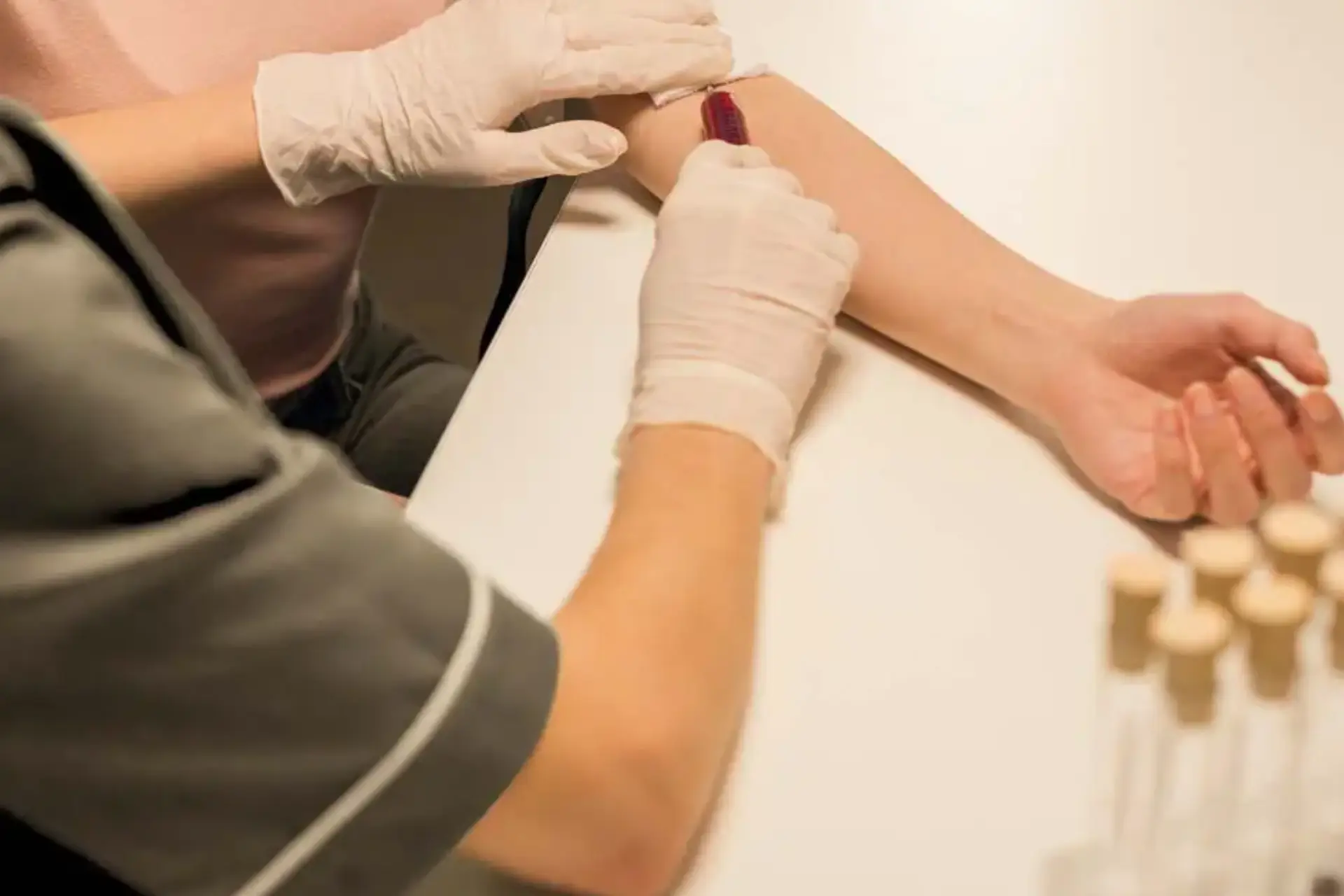
Many diseases develop slowly, without obvious symptoms at first. High blood pressure, prediabetes, and some cancers don’t announce themselves loudly. Once someone exhibits the symptoms, the condition is frequently established. One of the means of detecting these early is via comprehensive health checks, which provides benchmarking and monitors progress.
These provide better understanding of your current position, hence decisions are made on facts and not on guesses. This also helps increase the healthspan as risks are dealt with before they can threaten the quality of life.
Populations are ageing. Lifespan is increasing. Without strategies to extend healthspan, societies face longer years of disability and higher health costs. On a personal level, that translates into reduced independence, less freedom, more years spent coping with illness.
The science of ageing is moving forward quickly. But while we wait for breakthroughs, the strongest tools we have are preventative habits and consistent checks. They may not sound glamorous, but they work.
Healthspan and lifespan are two sides of the same coin. One counts the years, the other measures the quality of those years. Extending life without extending health is only half the job. The real goal is alignment, living longer and living better.
That requires action before illness sets in. Nutrition, exercise, stress management, sleep, avoiding harmful habits, and regular assessments. They’re not complicated ideas, but they require consistency.
One of the ways we assist individuals who intend to be proactive in managing health at Longevity Clinics is through thorough health assessments. These give you reflections on cardiovascular, metabolic, neurological, and lifestyle factors, offering you a better understanding of current health and future risks. Ever wondered how to live not only longer, but well, perhaps the first place to start is a health check.
We’ve developed a comprehensive six-step process that acts as your personal health roadmap, to follow towards your health goals.


