
Hormone Assessment

Comprehensive evaluation of your endocrine system to identify imbalances affecting energy, mood, and longevity.

hormonal assessment

Advanced Testing

Full hormone panel analysing cortisol, thyroid, sex hormones, and metabolic.

hormone optimisation

Personalised Analysis

Physician review of results compared against optimal ranges for your age and health goals.

hormonal assessment test

Regular Monitoring

Quarterly reassessment ensures optimal hormone levels and adjustment as needed.

hormone assessment near me

Custom Protocol

Tailored bioidentical hormone therapy and natural support regimens.
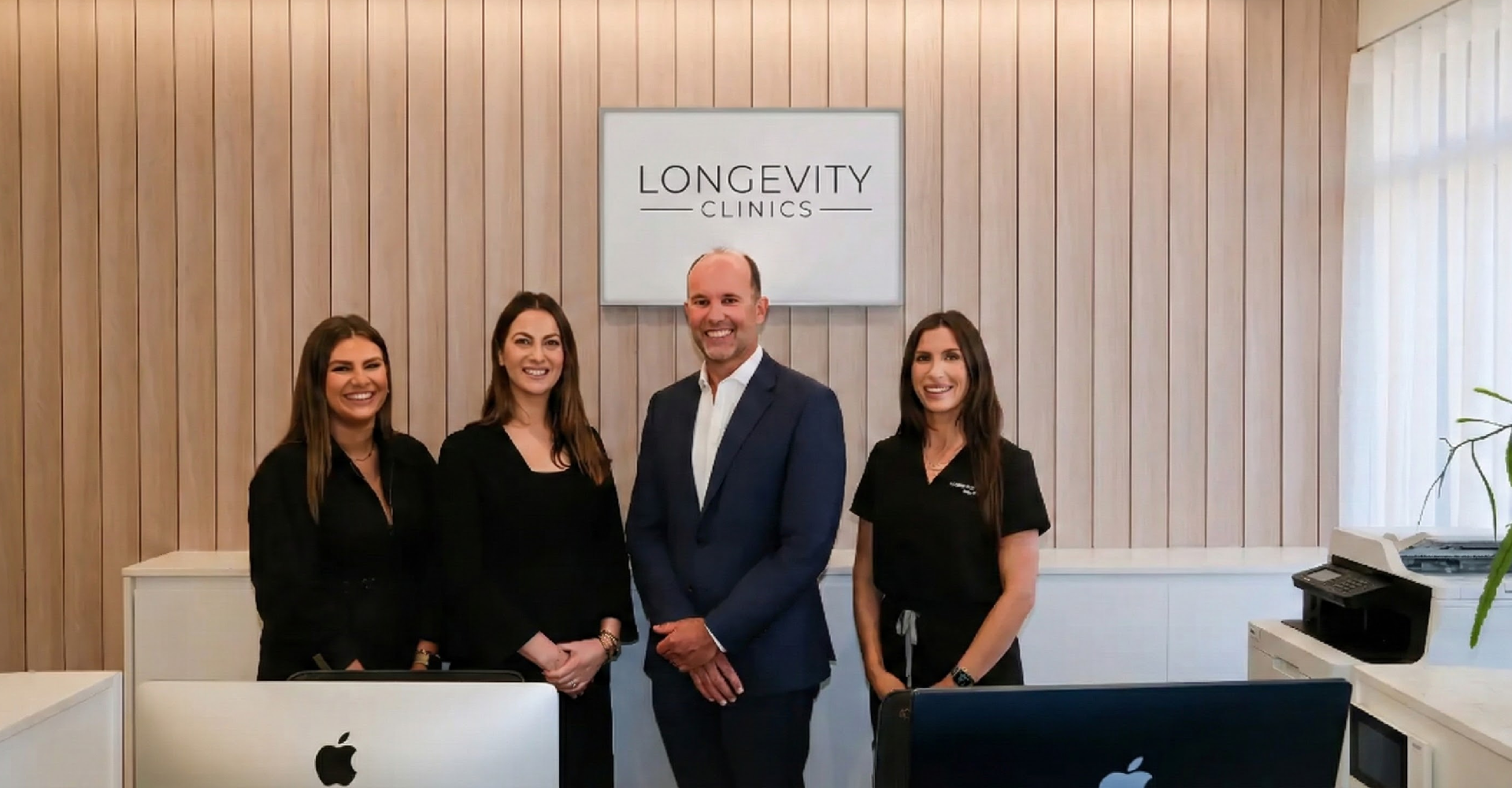
Trusted and ethical team of Australian doctors and practitioners available online.
longevity clinic sydney

6-Step Success:
Your Health Roadmap

We’ve developed a comprehensive six-step process that acts as your personal health roadmap, to follow towards your health goals.

longevity doctor

Complete Form

longevity doctor sydney

Professional Consultation

longevity medicine

Health Testing & Scans

longevity medical clinic

Treatment Plan

longevity clinic near me

Follow Up

longevity doctor near me

Annual Tests & Scans

the longevity clinic

Ready to ignite your health revolution?

There has never been a better time than right now. Dive into your health journey with Longevity Clinics.

Book a Discovery Call

Hormone Imbalance Treatment

Hormones do a lot more than most people realise. These tiny chemical messengers quietly influence how we think, feel, move, rest, and connect with others. They guide the rhythms of the body in ways that often go unnoticed until something feels off. A shift in hormone levels, even a small one, can ripple through your system and affect things like sleep, mood, focus, and even sexual function. You might find yourself more forgetful, more tired, or just not feeling like your usual self and it can be hard to explain why.

That’s where hormone imbalance treatment comes in. It’s not about chasing perfection or turning back time. It’s about helping your body find its natural rhythm again. By supporting your hormone health, we help restore a foundation that impacts your energy, your thinking, your emotional steadiness, and your overall quality of life. When hormones are in balance, everything tends to feel a little clearer, a little lighter like you’ve finally caught up with yourself.

This kind of care isn’t rushed. It starts with listening, understanding what’s going on beneath the surface, and working with your body not against it. The aim is to help you feel more like you, and to do that in a way that fits naturally into your daily life.

Symptoms You May Recognise

When hormones shift out of balance, the signs aren’t always dramatic but they’re usually there. Many people brush them off as just part of life: a bad week, not enough sleep, or simply getting older. But when these symptoms stick around, it’s often your body’s quiet way of asking for support.

You might notice:

  • A sudden weight gain that doesn’t make sense, even with healthy habits
  • Hot flashes or night sweats that disrupt your day or your sleep
  • Unusual breast tenderness that seems to come and go without reason
  • A sluggish sleep cycle either struggling to fall asleep or waking up feeling drained
  • A noticeable drop in sex drive or changes in your intimate connection
  • A dip in cognitive function like forgetting simple things or struggling to concentrate
  • Feeling flat, anxious, or more irritable than usual
  • Trouble managing weight or shifts in body mass despite no changes in routine

For many postmenopausal women, these symptoms can blend into the background until they begin to impact relationships, work, or simple day-to-day routines. But hormone imbalances don’t only affect women. Men, too, experience shifts that impact energy, focus, and emotional wellbeing.

Recognising these signs is the first step. The next is knowing you don’t have to put up with them.

Why Hormone Assessment Matters

When things feel off in the body low energy, mood swings, trouble sleeping, weight changes it’s easy to look for a quick fix. But hormones rarely act in isolation. They interact with every part of the body, and often the signs of imbalance are more layered than they first appear.

That’s why a proper hormone assessment doesn’t start and stop at one number on a lab result. It begins with a deeper dive into your medical history, your health history, your current symptoms, and how your body responds to stress, sleep, and everyday rhythms. It’s about understanding the full picture before deciding what needs attention.

Our team takes the time to listen and look carefully at your story. We use trusted blood tests and a thoughtful diagnostic approach to get clear, useful answers. For some, that might include looking at blood pressure, stress hormones, or specific hormone markers. Every plan starts with a strong foundation and testing is where it begins.

This isn’t a guessing game. It’s informed by evidence, guided by the latest insights including what respected reviews and hormone therapy position statements reveal about safe, effective care. A good treatment plan is only as good as the information it’s built on. And when we’ve got that part right, the path forward becomes much clearer.

Our Testing Methods

When it comes to understanding what your body needs, not all tests are created equal. That’s why we offer a tailored approach, using the right tools to explore your hormone story properly nothing more, nothing less.

Our assessment may include:

  • Blood tests – Often the starting point. These help us look at estrogen levels, thyroid function, and other key markers that give insight into overall hormone health.
  • Saliva testing – Useful for tracking hormone fluctuations across the day, especially when stress or adrenal function needs closer examination.
  • DUTCH test – A comprehensive dried urine test that gives deeper insight into how your body metabolises hormones, especially useful for tracking progesterone therapy, ovarian insufficiency, or complex symptoms.
  • Cycle mapping – For women experiencing irregular periods or fertility concerns, this maps hormone activity throughout the menstrual cycle for clearer insight.
  • Hormone panels – Broader panels that examine female hormones, key hormones like testosterone and cortisol, and the roles of the adrenal glands and pituitary gland in regulating balance.

We don’t offer a one-size-fits-all test kit. Our qualified doctors consider your symptoms, goals, and history before deciding what’s truly needed. The aim isn’t to run every test under the sun it’s to run the right ones.

By choosing this targeted approach, we’re able to design a clearer, more personalised plan that truly reflects what your body is asking for. It’s one of the ways our team gets things right from the start with insight, not assumptions.

How Our 4-Step Process Works

Getting your hormones back into balance doesn’t have to feel overwhelming. We’ve shaped a clear, four-step path that’s personal, thoughtful, and built around you not a standard protocol. It’s care that flows with your needs, led by a team that knows how to read the signs and respond with the right next step.

Here’s how it works:

  • Step 1: We listen. It begins with a detailed consultation. We ask the right questions about your symptoms, lifestyle, health history, and goals to understand the full picture.
  • Step 2: We assess. We use carefully selected tests to explore your hormone profile. Whether it’s a basic panel or a deeper look using bioidentical hormone replacement therapy markers, we match the method to your body, not the other way around.
  • Step 3: We personalise your treatment. No cookie-cutter plans here. We develop a tailored treatment plan that may involve natural hormones, adjustments to delivery methods (patch, capsule, cream), or using the lowest dose of systemic estrogen or progestogen needed for results and safety.
  • Step 4: We stay with you. Optimisation isn’t a one-time fix. Our team follows up, adjusts where needed, and makes sure your hormone imbalance treatment continues to support your changing needs.

This process isn’t rushed or rigid; it’s about tuning in, staying flexible, and doing what’s right for you at each step. That’s what makes us different.

Let’s Talk Menopause – Symptoms, Support, and Moving Forward

Menopause can bring a lot more than just the end of a cycle. For many women, it shows up as a mix of physical and emotional changes some expected, others not so much. Sleep becomes elusive. Temperatures spike out of nowhere. Mood can feel unpredictable, and intimacy may become strained. These are real shifts, not imagined, and they deserve real support.

At our clinic, we don’t brush these symptoms off or rely on generic answers. We take the time to understand what menopause looks like for you because no two journeys are the same. Whether you’re dealing with symptoms of menopause like brain fog, low libido, or the discomfort of genitourinary syndrome, our goal is to restore balance, comfort, and clarity.

We use menopausal hormone therapy options that are guided by the latest hormone therapy position statements, with careful attention to estrogen components, oral estrogens, and estrogen dosages. Safety is never an afterthought we factor in endometrial protection, risk history, and how your body responds to specific treatments.

What matters most is that you feel supported. This isn’t just about prescribing estrogen therapy, it’s about helping you move forward with more confidence, better sleep, emotional steadiness, and the feeling that your body is working with you again.

Sorting Out the Risks and the Myths

It’s completely understandable to have concerns about hormone therapy especially when the words breast cancer or heart disease come up. These aren’t topics anyone takes lightly. The truth is, there’s been a lot of confusion over the years about the risk of breast cancer or whether hormones lead to an increase in breast cancer. But when you take a closer look at the research, things aren’t so black and white.

With time and better understanding, we’ve seen a shift. There are studies showing a reduction in breast cancer risks with certain approaches, and many now focus on something called the hazard ratio basically, how different factors influence your individual level of risk. The same goes for cardiovascular diseases, including heart disease. It’s not just about whether hormone therapy is used, it’s about when, how, and for whom.

That’s where we put our energy: into asking the right questions and making decisions with careful consideration. We don’t make assumptions or rush the process. We look at your health story, your timing, your options, and build a path that prioritises your safety without ignoring your symptoms. The science is there, but it’s the personal touch that makes it work. With the right support and the right plan, hormone care doesn’t have to feel risky, it can feel like relief.

What You Might Notice When Your Hormones Are Balanced Again

When your hormones start falling back into place, life doesn’t just improve, it steadies. There’s a difference between getting through the day and actually being present in it. That’s what balance feels like.

Here are some of the changes people often begin to notice:

  • A return to restful sleep and easier mornings
  • More natural weight loss or finally maintaining a healthy weight
  • Improved sexual function and feeling reconnected with your body
  • A sharper edge to your thoughts and cognitive function
  • Greater ease managing blood pressure and overall cardiovascular health
  • Better control over body mass without chasing diets
  • A more grounded, lighter rhythm to your daily life

These shifts don’t come all at once. They build with care, with time, and with the right plan behind you. And when they do, it’s not just about feeling better. It’s about feeling like yourself again.

Why Our Team Takes Hormonal Health So Personally

We’ve worked with people at all stages of life: women struggling through menopause, men who feel like they’ve lost their spark, younger adults who know something’s off but can’t quite name it. And we get it. Living with symptoms that don’t have clear answers can wear you down.

That’s why our team takes this work seriously. Hormonal health touches nearly every part of how you feel and function. And when it’s not right, it shows up in ways that can be hard to explain. You might be doing all the right things, but still feel flat, tired, or not quite yourself.

We don’t believe in quick fixes. What we offer is time, clarity, and a treatment plan that matches your needs, not just a checklist. We talk about things like delivery method, we look into alternative options when they make sense, and we always make sure you’re part of every decision. If you’re wondering whether you’re a candidate for hormone imbalance treatment, we’ll help you figure that out with no pressure.

This kind of care means listening more than talking. It means noticing the details, staying honest, and showing up for the long haul. That’s the kind of support we believe in.

Frequently Asked Questions

  1. How can I tell if I’m dealing with a hormonal imbalance?

    There’s no one-size-fits-all answer, but there are clues. If you’ve been feeling tired even after resting, struggling with focus, gaining weight without changes to your diet, or just not feeling like yourself lately, it could be due to hormonal imbalances. These changes can sneak up slowly, and many people assume it’s just part of getting older. But in reality, your levels of hormones might have shifted enough to affect how your body functions day to day.

  2. What exactly is Hormone Imbalance Treatment?

    Hormone Imbalance Treatment is a more personalised approach to hormone care. Instead of simply replacing hormones in a standard way, it focuses on restoring balance based on your body’s own signals. It often involves detailed testing, symptom tracking, and using the gentlest and most effective options to bring you back into a comfortable range. This approach allows for more flexibility and long-term success, because it works with your body — not against it.

  3. Will this help with my menopausal symptoms?

    If you’re dealing with menopausal symptoms like hot flushes, low mood, poor sleep, or vaginal dryness, hormone support might make a real difference. These symptoms are usually linked to changes in estrogen and other hormones during the transition into menopause. Some women also notice issues with memory, energy, or intimacy. With the right support, you don’t have to just put up with it. Whether your symptoms are mild or disruptive, there are safe and thoughtful ways to manage them.

  4. Are bio-identical hormones safer than synthetic ones?

    Bio-identical hormones are made to closely match the hormones your body naturally produces. That’s why many people feel more comfortable using them. They’re often seen as a gentler treatment option, especially for those who’ve had sensitivity to other forms of hormone therapy. Like any medical treatment, there are things to consider — which is why our team always weighs the risks and benefits based on your personal health and history.

  5. What side effects should I expect from hormone therapy?

    Side effects aren’t the same for everyone. Some people may feel small changes as their body adjusts — things like mild bloating or breast tenderness — but we always aim for the lowest effective dose to reduce the risk of adverse effects. The key is ongoing monitoring. We don’t just prescribe and disappear. We check in, listen, and adjust as needed.

  6. What about breast cancer — is that something I should be worried about?

    It’s one of the most common concerns, and it’s completely valid. Discussions around breast cancer incidence and hormone use have been ongoing for years. What we know now is that the risk of breast cancer isn’t the same for everyone. It depends on timing, the types of estrogens used, family history, and how the treatment is managed. Some studies have shown a slight increase in risk with certain long-term hormone use, while others point to a reduction in breast cancer with different approaches. This is why careful consideration is at the core of what we do.

  7. Can hormone therapy protect against bone loss or other physical issues?

    Yes, hormone support — especially with estrogen therapy — plays an important role in protecting against bone loss. As estrogen levels decline, bones can become weaker over time, which raises the risk of fractures. For many people, keeping hormones at a healthy level helps maintain bone strength and overall bodily functions, including muscle tone, skin health, and metabolism. It’s one of those quiet but meaningful benefits of well-managed care.

  8. What symptoms bring most people in for help?

    The list is long, but there are a few common symptoms we see often: fatigue that doesn’t improve, unexpected weight gain, low mood or irritability, brain fog, poor sleep, and changes in sexual health. These can be subtle at first and easy to dismiss — until they begin affecting work, relationships, or quality of life. Hormonal shifts aren’t always obvious, but they often explain a lot of what people feel stuck with.

  9. I’m not sure I want hormone therapy. Are there other options?

    Of course. There are alternative treatments that don’t involve hormones, and for some people, they’re the right choice. These might include nutrition changes, supplements, lifestyle adjustments, or non-hormonal medication. We’re here to help you explore all your options — not just steer you toward one. If hormone therapy isn’t the best fit, that’s okay. The most important thing is making a plan that feels right for you.

  10. Do I need to have severe symptoms to qualify for treatment?

    Not at all. You don’t need to hit a breaking point before asking for help. Some people come in with severe symptoms that are disrupting their lives, while others feel just a bit “off” and want to understand what’s happening. Early support can make a big difference, and sometimes small adjustments lead to big improvements. If something doesn’t feel right, that’s reason enough to get it checked.

Read more