What A DEXA Scan Can Really Tell You About Bone Health
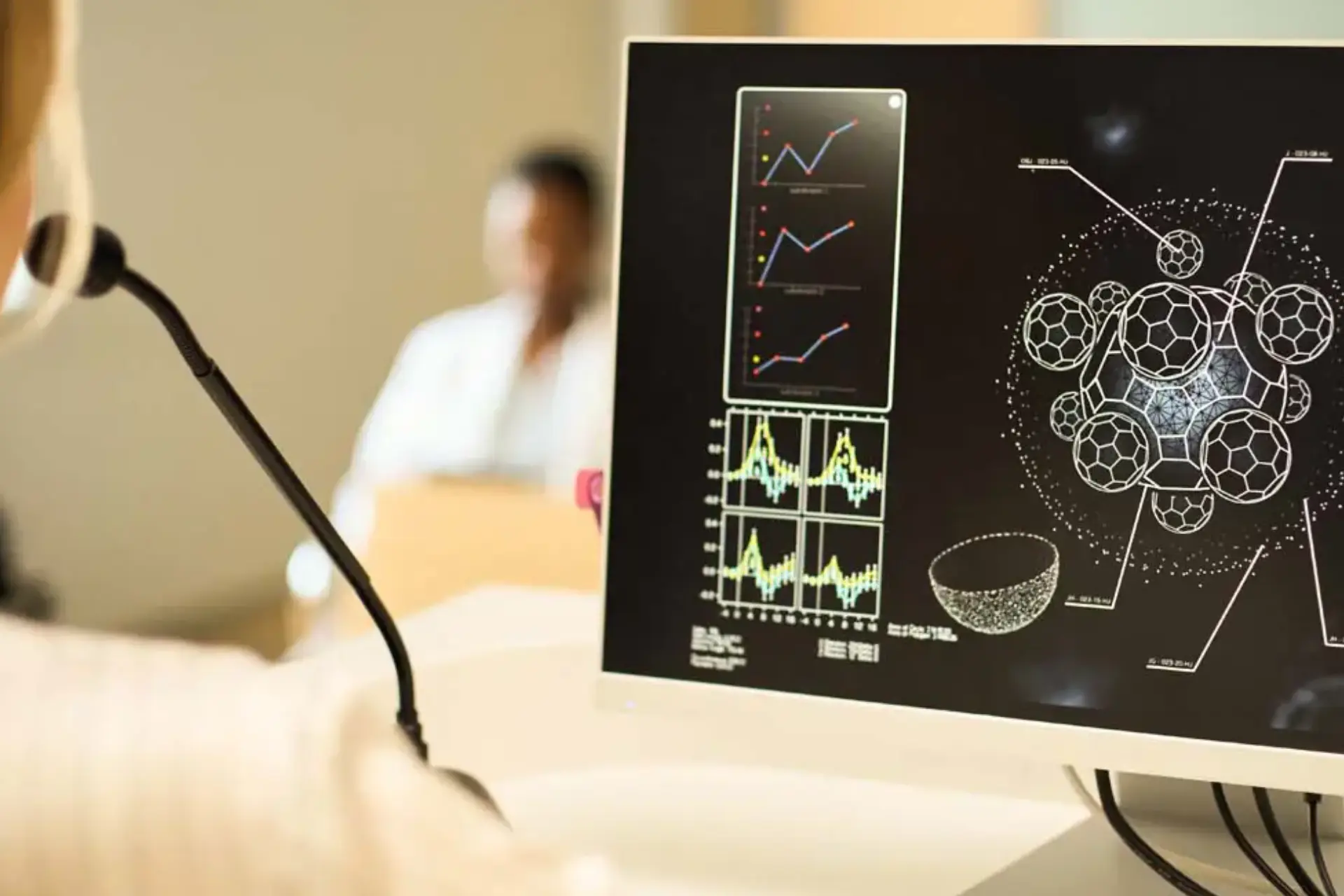
Most people don’t think about bones until something happens. It could be a fall, maybe a fracture, or maybe a doctor finally mentioning the word osteoporosis. Skin we notice, wrinkles tell the story. Muscles do too, as you feel weaker, lifting the shopping gets harder, and stairs get tougher. Bones are different. They change in silence. There are no outward signs until something breaks.
That’s the tricky part. You can lose bone strength for years without knowing. And when you finally notice, it’s usually because of a break, which is too late. That’s where scans like DEXA step in. They are not flashy, not painful, not even long, but they give you the picture you can’t see yourself.
The full name is Dual-Energy X-ray Absorptiometry. It sounds like a mouthful, but what it does is simple: it measures the minerals in your bones. You lie down, and two beams of low-dose X-ray go through your body. The machine looks at how much gets absorbed by bone versus soft tissue. From that, bone density is calculated.
The focus is on hips, spine, and sometimes the forearm. Why those? Because those are the common places that fracture when bones are weak. The test doesn’t take long. There is no pain, no injections, just lying still. When it’s done, you get numbers. Two scores, mainly:
The numbers tell you where you stand –Normal bone, lower density (osteopenia), or very low (osteoporosis).
Osteopenia means the bone density is lower than normal but not at the extreme yet. It’s the yellow light, a warning. Osteoporosis is the red light. That is bones so porous that they can break easily.
Australia’s numbers are high. Nearly one million people live with osteoporosis. That’s just the official count, meaning many more probably haven’t been diagnosed. Falls, fractures, long recoveries, loss of independence … these are not rare stories.
A hip fracture, for example, isn’t just an injury. It can change everything. There is surgery, a long recovery, and sometimes permanent loss of mobility. And the sobering stat: one in three adults aged over 50 who break a hip die within the next year. That’s how serious it can be.
DEXA is the gold standard for diagnosing these conditions. It is clear, measurable, and trackable. Doctors rely on it because it tells the truth that bones don’t show on the outside.
A T-score above -1 = Normal bone density
Between -1 and -2.5 = Osteopenia
Below -2.5 = Osteoporosis
That’s the medical line. What it means is: the lower the score, the higher the fracture risk. The Z-score adds more context. If it’s way off compared to people your age, then something more might be going on, such as other illnesses, medications, or long-term conditions that weaken bones.
The risk factors are varied. Age is obvious. Menopause accelerates bone loss in women. Being underweight may imply that one has minimal bone mass. Smoking, excessive consumption of alcohol, and lack of calcium and vitamin D – even the use of drugs, such as corticosteroids – can erode density when taken over time.
A fracture isn’t only about pain. It impacts freedom, freedom of movement, and quality of life. Just think how difficult it is to bend, carry groceries, or simply walk a long distance without being able to do it safely. In the case of older adults it can result in the need for daily assistance.
And it’s not only seniors. Women aged between 40 and 50 years who are experiencing hormonal changes experience increased bone degeneration. It is risky in younger athletes who have stress fractures or thin bodies. People with eating disorders, nutritional deficiencies, or autoimmune diseases, all sit in that risk pool.
A DEXA scan helps connect the dots. It tells you if you’re standing on solid ground or if the risk is already creeping in quietly.
One scan gives a baseline. But bones don’t stand still. They keep changing, which means scans repeated over years makes a difference over having just a single one. Anyone who has been already diagnosed with osteopenia or osteoporosis has scans run to see if the treatment is taking hold.
Are there any effects of medication on slowing down bone loss? Will nutrition make a difference? Are exercise routines maintaining stable density? In absence of follow-ups, you might not be aware whether the plan is working or whether adjustments are necessary.
There are positives: It is possible to strike back. Bone density reacts to your ways of living, including food intake and your mobility.
It’s not one solution, but a mix. This is ensured by the correct combination that makes the bones remain tougher due to the scans and consistent check-ups.
The simple truth is that bone loss is easiest to tackle early. Once fractures happen, the damage is already there. But with a DEXA scan, you see the decline before it leads to disaster. That early knowledge is power. It means prevention is still on the table.
And it is not only to live longer. It’s to live stronger. It is to continue to do the daily things and walk, lift, bend, and maintain an independent life. Most people underestimate the role played on the part of bones.
Bone health often gets treated as an afterthought. People will change diets for weight loss, train for fitness, meditate for stress, but bones? They’re forgotten until something goes wrong. Which is strange, because bones are the frame everything else hangs on. No strong bones means no real freedom.
What is really good about a DEXA scan is not only the number it provides. It gives awareness. And in seeing the figures, you begin to think otherwise. It’s hard to ignore and when you know them, the decisions you make are more serious. Prevention is no longer a theory, but a habit.
One of the biggest myths is that bone health is only an older person’s problem. But peak bone mass actually happens earlier in life, usually in someone’s late 20s to early 30s. That’s the maximum strength your skeleton will naturally reach. After that, it’s maintenance. If bone mass is low to begin with, the risk of osteoporosis later skyrockets.
Prevention is not putting it off to the retirement age. It is about growing excellent bones at an early age and then defending them. Checks such as DEXA are also beneficial to even the younger individuals, sportsmen, and women in menopause, or people who are of low weight, to check whether they are beginning in a stable position or not.
The basics aren’t glamorous, but they work.
None of these are quick fixes. But together, they stretch out the years of good bone health.
One fracture often leads to another. A hip break makes walking harder, balance weaker, and activity less frequent. That inactivity speeds bone loss even more. It’s called the cascade effect, when one fall triggers a spiral of further risks.
This is why prevention has such high value. Avoiding the first fracture often avoids the spiral. DEXA scans help place people on the risk map before that first fall happens.
Strong bones don’t just prevent fractures. They support independence. Independence keeps people active. Activity reduces the risk of chronic diseases like diabetes, heart disease, even dementia. It’s all connected.
The studies on longevity reveal lengthy and quality lives among those who are mobile. It is not the number of birthdays but the way in which those birthdays are lived. Early bone loss is a decrease in the healthspan, despite extended lifespan. That is the difference between long living and well living.
DEXA scans become part of closing that gap. By identifying low density early, interventions can extend healthspan, and the years can be lived with real freedom and function.
One scan is useful, but it’s the repeat checks that tell the story. You might improve density with exercise and diet, or stabilise it with medication. Or maybe lifestyle changes aren’t enough, and a stronger treatment is needed. Without monitoring, you wouldn’t know.
DEXA scans every one to two years for people who may be at risk provide trends. And trends are more powerful than single numbers. They tell you whether the plan is working or if something has to shift.
There are plenty of misunderstandings that hold people back:
Breaking these myths helps people take action sooner, before real damage shows up.
Bone fractures don’t only affect the body. They shake confidence. Someone who’s fallen once often becomes afraid of falling again. That fear limits activity. Reduced activity results in weaker bones and muscles and this cycle repeats itself. Bone strength is correlated with emotional wellbeing. Defending one will indeed defend the other.
Hospitals and specialists deal with fractures once they happen. But preventative checks is where clinics like ours step in. A DEXA scan here isn’t about scaring people. It’s about giving them the clarity they don’t otherwise have, with numbers, comparisons, and context.
At Longevity Clinics, DEXA scans are part of wider assessments aimed at prevention. They sit alongside checks for metabolism, cardiovascular health, and more. It’s about the full picture, not just the skeleton in isolation. Because strong bones are one part of strong ageing, not the only part.
Bone health doesn’t announce itself until there’s a problem. This is why prevention is better than cure. It is nutrition, exercising, sleeping, coping with stress, and all that matters. But awareness matters most. To know your position with a scan such as DEXA is to have the opportunity to take action, not wait.
Longevity isn’t just about lifespan, it’s about healthspan. Strong bones support both. And while no test guarantees the future, DEXA scans are one of the best tools we have to keep bones, and the independence they provide, as strong as possible for as long as possible.
If you’ve been wondering whether it’s time to take stock of your bone health, consider a DEXA scan with Longevity Clinics. It’s a small step that can make a lasting difference to how well you age.
We’ve developed a comprehensive six-step process that acts as your personal health roadmap, to follow towards your health goals.


