Why Bone Density Deserves More Attention Than You Think

People don’t usually stop to think about bones unless something happens. It may be a sudden fall, may be a wrist fracture, or a doctor telling you that your spine is thinning out. Until then, bones feel like background, the quiet framework that just does its job. But bones are alive. They’re not just dry sticks inside you. They’re moving tissue, storing minerals, producing blood cells, and protecting vital organs. They’re working more than you realise.
And the part that most people miss is that bones change. They break down, they rebuild. When you’re young the rebuilding outpaces the loss, but as years roll on the scale tips. You can lose more than you replace, and the hard part is you don’t feel it. No pain, no signal. Just weaker bones waiting to reveal themselves one day in the form of a break. That’s why bone density matters more than it looks.
Bone density is often called bone mineral density, or BMD if you’ve seen it in reports. It’s about how much calcium and phosphorus sit packed into bone. The tighter the pack, the stronger the structure. Imagine a brick wall, where bricks close together make it solid, and gaps make it fragile. Bones work the same way.
As more bricks are removed from the wall than the amount being replaced, the density of the bone is reduced. And this is the tricky part: no symptoms in the beginning. Poor bone density sneaks up. Only your scan helps you learn, or you may find out the truth by a fracture.
Bone can be lost by anybody, though some are on thinner ice, especially people who:
However, in saying that, even people who feel strong, fit, and pain-free can have thinning bones. That’s the silent part of bone loss.
The density changes cannot be seen, so the most obvious way to track changes is a scan. The typical one is a DEXA scan that is quick and painless, examines hips and the spine, and provides a number that you are ranked relative to normal standards. Taking the scan is not an epic task – it is merely lying there as the machine measures. But the results tell you what no X-ray will.
When you have good density, it can be reassuring. When it is slipping, the benefit is that now you know at an early stage, when you have time to react. It is common practice in full-body examinations at Longevity Clinics to incorporate DEXA scans, since our patients want more than a guess. It is one of those straightforward weapons that provides you with command over things before a crisis occurs.
Bone loss isn’t final. There are ways to slow it down, and even build back strength:
These aren’t extreme changes. They’re everyday steps that stack up over time.
Fractures aren’t just about pain. For older adults, a hip fracture can be life-changing, with months of recovery, sometimes never regaining independence fully. Preventing that is worth far more than treating it later.
It helps to be aware of your density early. It allows you to change behaviours, receive support, and guard the frame before it is broken. Representation is difficult once there is serious bone loss.
It’s easy to put bones last on the list of health concerns because they don’t demand attention daily. But they are the reason you stand, move, carry, and live without thinking. Giving them some attention now is less about fear, and more about freedom – freedom to walk without worry, to stay active, to age with confidence.
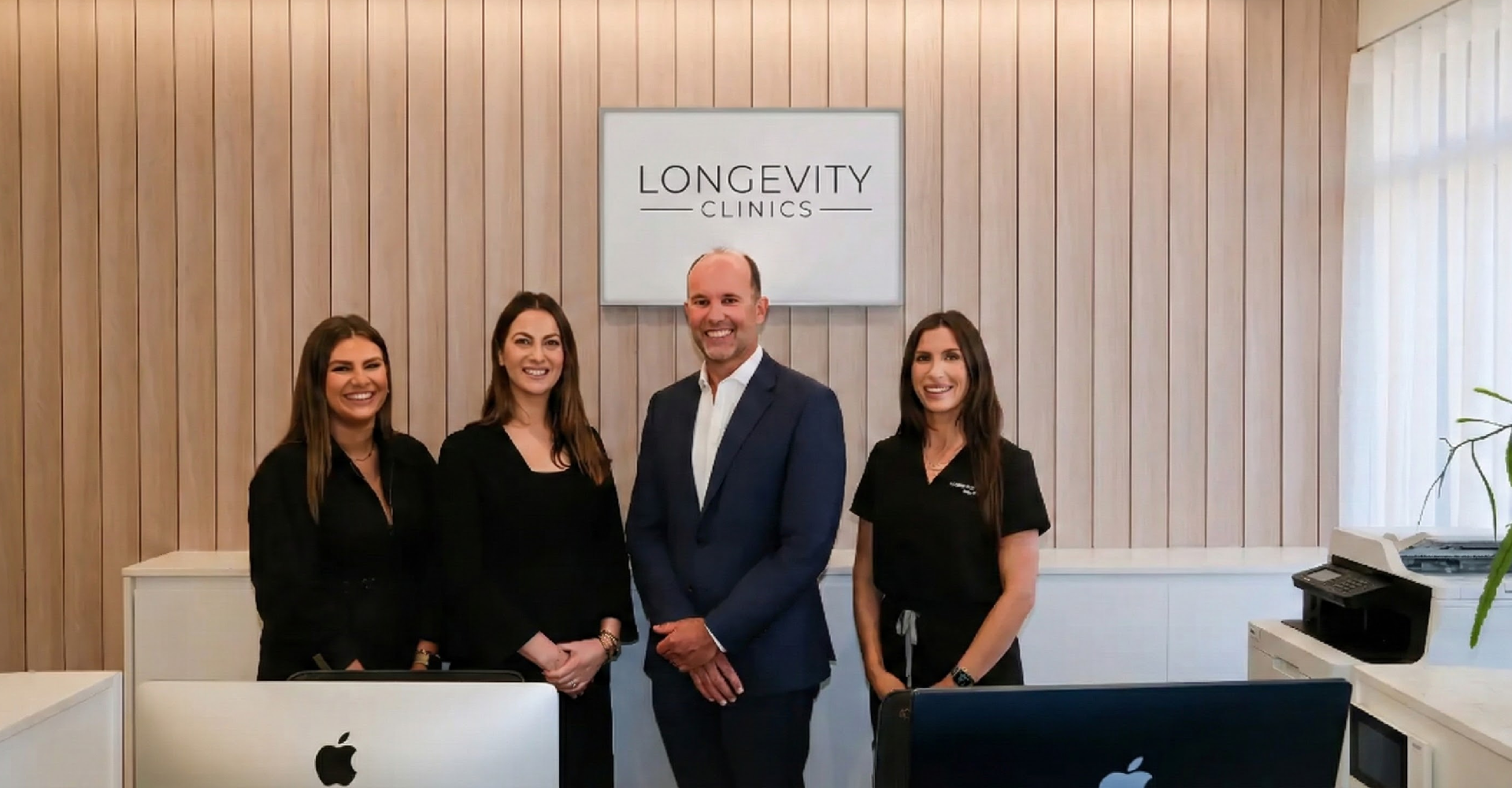
At Longevity Clinics we see bone health as part of the bigger picture of living well for longer. A DEXA scan or full-body check isn’t just numbers, it’s peace of mind, as a clearer map of where your body stands. And with that map, you choose the next steps.
Your bones aren’t background. They’re living, changing tissue. Care for them now, and they’ll keep carrying you further than you think.
We’ve developed a comprehensive six-step process that acts as your personal health roadmap, to follow towards your health goals.


