


Health assessments can be one part of looking after your health. Factors such as long working hours, prolonged sitting, eating patterns, family history and other aspects of your lifestyle may be relevant when discussing your health with a doctor.
An executive health assessment brings a range of health information together, usually within a structured appointment. However, more tests are not automatically better. The assessments that are appropriate for you depend on factors such as your age, medical history, family history, symptoms and other risk factors.
This guide explains what executive health check packages may include, how they can differ from a routine consultation, and what to consider before booking one.
What Are Executive Health Check Packages?
An executive health check is a structured health assessment that brings several components together, which may include a medical history, physical examination, laboratory testing and selected imaging or functional assessments.
Depending on the service and your individual circumstances, this may provide a broader assessment than can usually be completed during a routine consultation.
The purpose is not simply to complete as many tests as possible. The usefulness of an assessment depends on whether the individual tests are clinically appropriate and whether the results can contribute to decisions about your health and ongoing care.
A doctor can consider your medical history, family history, symptoms, risk factors and other relevant information when determining which assessments may be appropriate.
Components of Executive Health Check Packages
The contents of an executive health assessment vary between providers and may also vary between individuals.
A package may combine medical history, physical examination, laboratory testing and selected imaging or functional assessments, with the findings considered together.
Not every test is appropriate for every person. Some investigations may be recommended only when there is a relevant clinical reason to perform them.
Specialised Screening
Depending on the package and your clinical circumstances, assessments may include investigations such as:
- Cardiac CT: an imaging examination that can be used to assess structures of the heart and, depending on the type of scan, the coronary arteries.
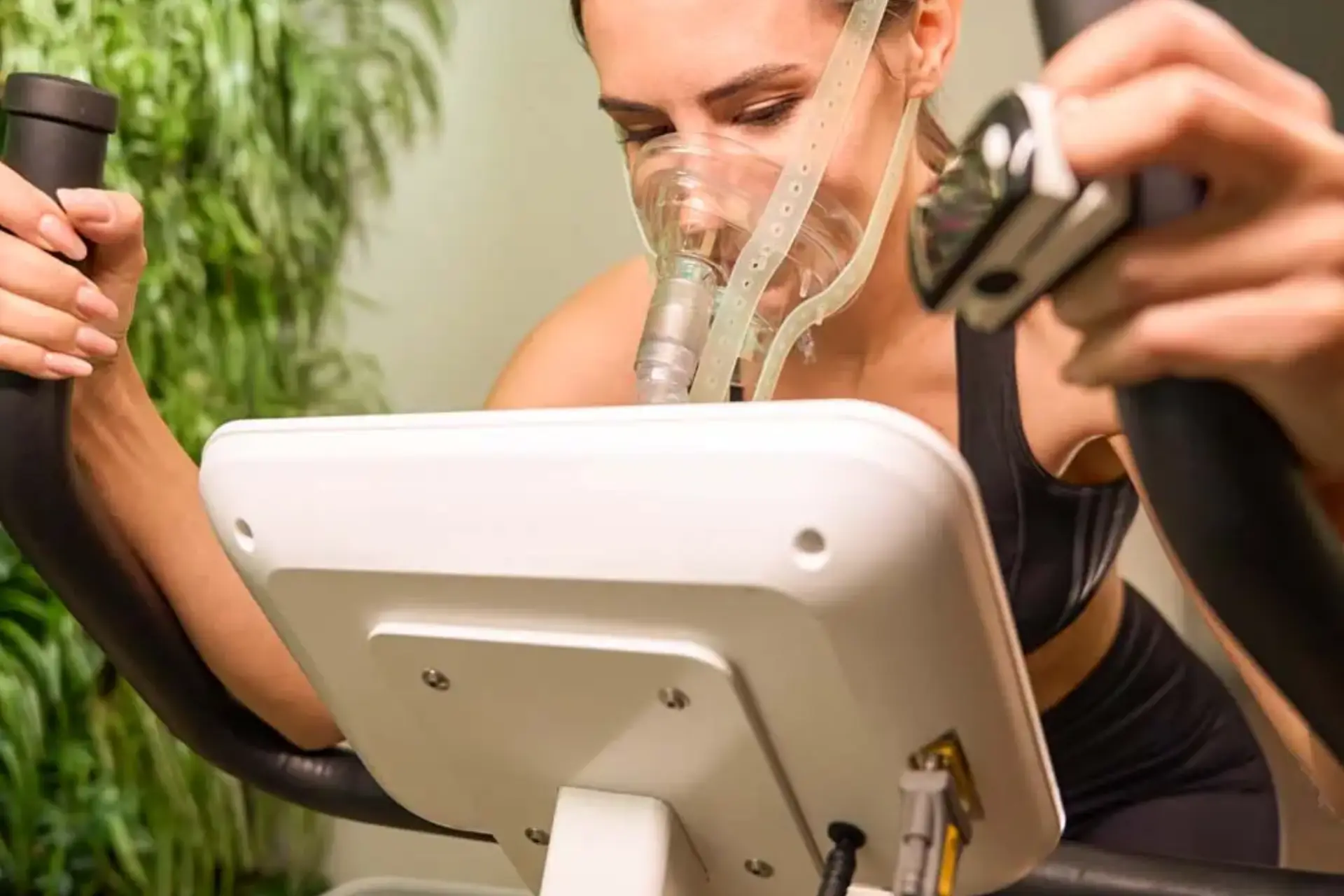
- Exercise stress testing: an assessment of how the cardiovascular system responds to physical exertion.
- Skin examination and dermatoscopy: examination of the skin, with dermatoscopy providing magnified views of skin lesions.
The suitability of these assessments depends on individual circumstances and the purpose of the investigation.
Imaging and other investigations can have limitations and potential risks. For example, CT examinations involve exposure to ionising radiation. Screening can also identify findings that require further assessment, including findings that ultimately prove not to be clinically significant.
For these reasons, the decision to undertake an investigation should take into account its potential benefits, limitations and risks. Your doctor can explain what is appropriate for your circumstances.
Medical and Family History
A review of your medical history, family history and relevant lifestyle factors can help provide context for the rest of the assessment.
This information may help your doctor identify factors that warrant further assessment and determine which investigations may or may not be appropriate.
Laboratory Tests
Laboratory testing may form part of an executive health assessment.
Depending on the package and clinical circumstances, tests may include:
- Lipid profile: measures cholesterol and other blood lipids.
- Liver function tests: assesses markers that can provide information about liver health and function.
- Full blood count: measures different types of blood cells and related parameters.
- Blood chemistry tests: measures selected substances in the blood that can provide information about aspects of organ and metabolic function.
- Fasting blood glucose: measures blood glucose after a period of fasting.
The specific tests included will depend on the assessment being provided.
A result outside a laboratory reference range does not, by itself, establish a diagnosis. Results are interpreted in the context of your medical history, symptoms, examination findings and, where relevant, previous results.
Physical Examination
A physical examination may include measurements and clinical assessments such as:
- blood pressure
- weight and other body measurements
- cardiovascular assessment
- respiratory assessment
- neurological or other relevant clinical observations.
The components of the examination depend on the individual assessment and the clinician’s clinical judgement.
Fitness and Lifestyle Assessment
Some executive health assessments may include body composition measurements, fitness assessments and discussion of lifestyle factors.
Depending on the service, this may include discussion of physical activity, sleep, nutrition, alcohol consumption and other factors relevant to overall health.
These measurements can provide information that may be useful when discussing health goals and future monitoring. Their interpretation should take account of the individual’s broader clinical circumstances.
Where fasting is required for particular tests, the clinic should provide appropriate instructions before the appointment. If food or refreshments are provided afterwards, this should be confirmed with the clinic before attending.
How Do Executive Health Checks Differ From Routine Health Checks?
Range of Assessment
A routine GP consultation can address a wide range of health concerns, including symptoms, existing health conditions, preventive care and risk factors.
An executive health assessment may bring several assessments together within a structured program. However, a larger number of tests does not necessarily mean a more appropriate or beneficial assessment.
The value of each investigation depends on whether it is clinically indicated and whether the result is likely to contribute to appropriate health decisions.
Integration of Results
Where the service includes several assessments, the findings may be considered together by the supervising doctor.
This can provide an opportunity to discuss the results in their clinical context rather than considering individual measurements in isolation.
Any findings that require further investigation or management should be discussed with an appropriate healthcare professional.
Preventive Health
Preventive healthcare can involve assessing risk factors and identifying conditions or risks where appropriate screening or early assessment is supported by clinical guidance.
Not every screening test is appropriate for every person. Testing people who have no symptoms can sometimes identify findings that require further investigation without necessarily providing a health benefit.
The appropriate approach depends on factors such as age, medical history, family history, symptoms and individual risk.
Bringing Assessments Together
Some executive health programs combine pathology, physical examination and other assessments within the same appointment or program.
The exact structure varies between providers. Before booking, it is reasonable to ask which assessments are included and why they may be appropriate for you.
Time and Convenience
One practical feature of an executive health assessment may be that several assessments are arranged within a coordinated appointment or program.
This may be convenient for people who have difficulty attending multiple appointments. However, convenience does not replace the need to consider whether each assessment is clinically appropriate.
Individualised Assessment
A health assessment may be adjusted according to your medical and family history, symptoms and other relevant risk factors.
This can mean that two people attending the same type of assessment may not require exactly the same investigations.
The purpose of individualising the assessment is to ensure that the investigations considered are relevant to the person’s circumstances.
Range of Investigations
Some executive health packages include a broader selection of investigations than might be included in a routine consultation.
However, a broader range is not automatically better. Additional testing can sometimes produce findings that require further investigation, including findings that may ultimately prove to be of limited clinical significance.
The appropriate range of assessment should therefore be determined according to the person’s circumstances and the clinical purpose of each investigation.
Who May Consider an Executive Health Assessment?
An executive health assessment may be worth discussing with a doctor for people who:
- Prefer to have several health assessments coordinated within a structured appointment.
- Have relevant personal or family health factors that may warrant discussion or assessment.
- Have an existing health condition and want an assessment that complements, rather than replaces, their usual medical care.
- Want to establish relevant health measurements that can be considered alongside future results where clinically appropriate.
An executive assessment may not add significant value for everyone.
If you already receive regular care from a GP who knows your medical history, it is worth discussing whether an additional health assessment would provide useful information.
Similarly, if you have a new or concerning symptom, seek medical advice about that symptom rather than relying on a general health assessment to investigate it.
Questions to Ask Before Choosing a Health Assessment Program
Before booking an executive health assessment, consider asking:
- Which assessments are included? Ask what tests and examinations form part of the package.
- Why are the assessments being recommended? Ask whether each investigation is appropriate for your individual circumstances.
- What happens if an abnormal result is found? Ask who will explain the result and what follow-up may be recommended.
- What is not included? Understanding the limits of the assessment can help you interpret the results appropriately.
- How does the assessment fit with your existing care? If you have a regular GP, discuss whether the assessment is likely to add useful information.
- Are there any preparation requirements? For example, some blood tests may require fasting.
- What happens with your results? Ask how results are provided, discussed and documented.
If Genetic Testing Is Included
If genetic testing forms part of an assessment, ask what the test is intended to assess and what the possible results may mean before consenting.
Some genetic information can have implications beyond the individual being tested, including potential relevance to biological relatives. The appropriate test and its implications should be discussed with a suitably qualified healthcare professional.
About Executive Health Assessments at Longevity Clinics
Longevity Clinics offers executive health assessments that may include pathology, physical examination and body composition measurement, with the findings reviewed and discussed by a doctor.
The assessments included in an individual appointment should be confirmed with the clinic. The appropriate investigations depend on the person’s circumstances and clinical assessment.
An executive health assessment does not replace ongoing care with a GP or other healthcare professionals where that care is required.
If you are considering an executive health assessment, you can contact Longevity Clinics to discuss what the assessment involves and whether it may be appropriate for your circumstances.
Conclusion
An executive health assessment can bring together a range of health information within a structured program and provide an opportunity to discuss relevant findings with a doctor.
The value of the assessment does not come simply from the number of tests included. Different investigations have different purposes, limitations and potential risks, and not every test is appropriate for every person.
A useful assessment is one that considers your individual circumstances and helps you and your doctor decide what, if anything, needs further attention.
This page provides general information about executive health assessments. It is not medical advice, a diagnosis or a recommendation that any particular test or assessment is appropriate for you. The suitability of investigations depends on individual circumstances and should be discussed with a qualified healthcare professional.


 Woollahra Clinic
 175 Edgecliff Road Woollahra NSW 2025
 Get Directions