


Consultations
Registered Nurse Consultation
A personalised longevity plan led by a nurse specialising in therapeutic formulations, including a full medical review, with all protocols reviewed and approved by a doctor.
Hyperbaric Oxygen Therapy
Hyperbaric oxygen therapy delivers 100% oxygen in a pressurised chamber, as part of a plan discussed with your doctor.
Iv Nutrient Support
IV Wellness Program
5 Treatment package. A structured series of IV cellular health sessions tailored by our medical team following assessment.
IV Wellness Program
5 Treatment package. A structured series of IV anti-aging and anti-oxidant sessions tailored by our medical team following assessment.
Single IV Wellness Program
Single IV Wellness Consultation. An individual consultation, anti-aging with vitamins IV session tailored to you by our medical team following assessment.
Skin IV Wellness Program
Skin IV Wellness Consultation. An individual consultation and skin antioxidant with vitamins IV session tailored to you by our medical team following assessment.
General IV Wellness Program
General IV Consultation with IV nutrients tailored to you by our medical team following assessment.
Treatments
DEXA Body Composition Scan
Precise analysis of body fat, muscle mass & bone density.
Hyperbaric Oxygen Therapy
Pressurised oxygen therapy, delivered under medical guidance.
Comprehensive Bloods
In-depth lab testing to identify deficiencies, imbalances & disease risk.
PRP Skin Rejuvenation
Platelet-rich plasma treatment for skin, prepared from your own blood.
Full Body MRI
Advanced imaging to help detect early disease & abnormalities.
VO₂ Max Testing
Assessment of cardiovascular fitness.
Hormone Assessment & Management
Hormone testing and management, subject to doctor assessment.
Gut Microbiome Testing
Analysis of gut health markers to support digestion & metabolism.
Genetic Methylation Testing
Understand gene expression to support long-term health.
Nutrient Test
Measures cellular energy markers linked to aging & metabolic health.
Weight Management Program
Medically guided, personalised consultation for weight management.
Therapeutic Formulations
Therapeutic Formulations
Longevity+
Platinum Package - 12 month Program
- Comprehesive Blood Biomarker Panel
- DEXA Body Composition + Bone Density
- VO2 Max + Functional Performance Testing
- CT Coronary Angiogram
- Full Body MRI
- Nutritionist Consultation
- Doctor Consultation
- Specific Recurring Testing
- + 6 month follow up
- + 12 month follow up
Gold Package - 12 month Program
- Comprehesive Blood Biomarker Panel
- DEXA Body Composition + Bone Density
- VO₂ Max + Functional Performance Testing
- Nutritionist Consultation
- Doctor Consultation
- Specific Recurring Testing
- + 6 month follow up
- + 12 month follow up
Silver Package
- Comprehesive Blood Biomarker Panel
- DEXA Body Composition + Bone Density
- CT Coronary Angiogram
- Full Body MRI
- Nutritionist Consultation
- Doctor Consultation
Bronze Package
- Doctor Consultation (Review of patient-provided tests)
Weight Loss Programs
- Medically guided, personalised strategies for sustainable fat loss.
Supplements And Skin Care
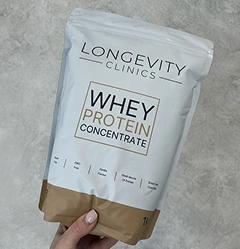
Try NowWhey Protein Concentrate
High-quality protein to support muscle, recovery & overall wellness.
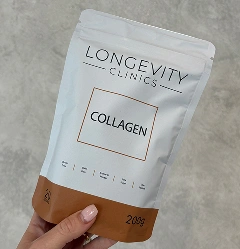
Collagen
Supports skin elasticity, joint health & youthful appearance.
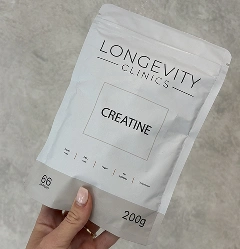
Creatine
Boosts strength, endurance & muscle performance.
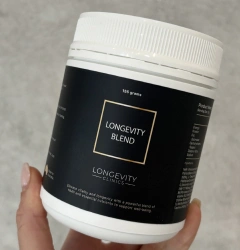
Longevity Blend
Targeted nutrients to support healthy aging & cellular vitality.
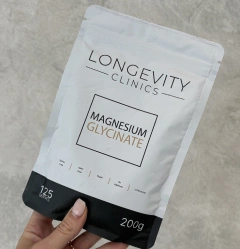
Magnesium Glycinate
Highly absorbable magnesium for relaxation, sleep & metabolic health.
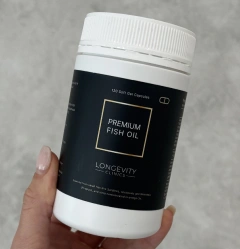
Premium Fish Oil
Omega-3s to support heart, brain & joint health.
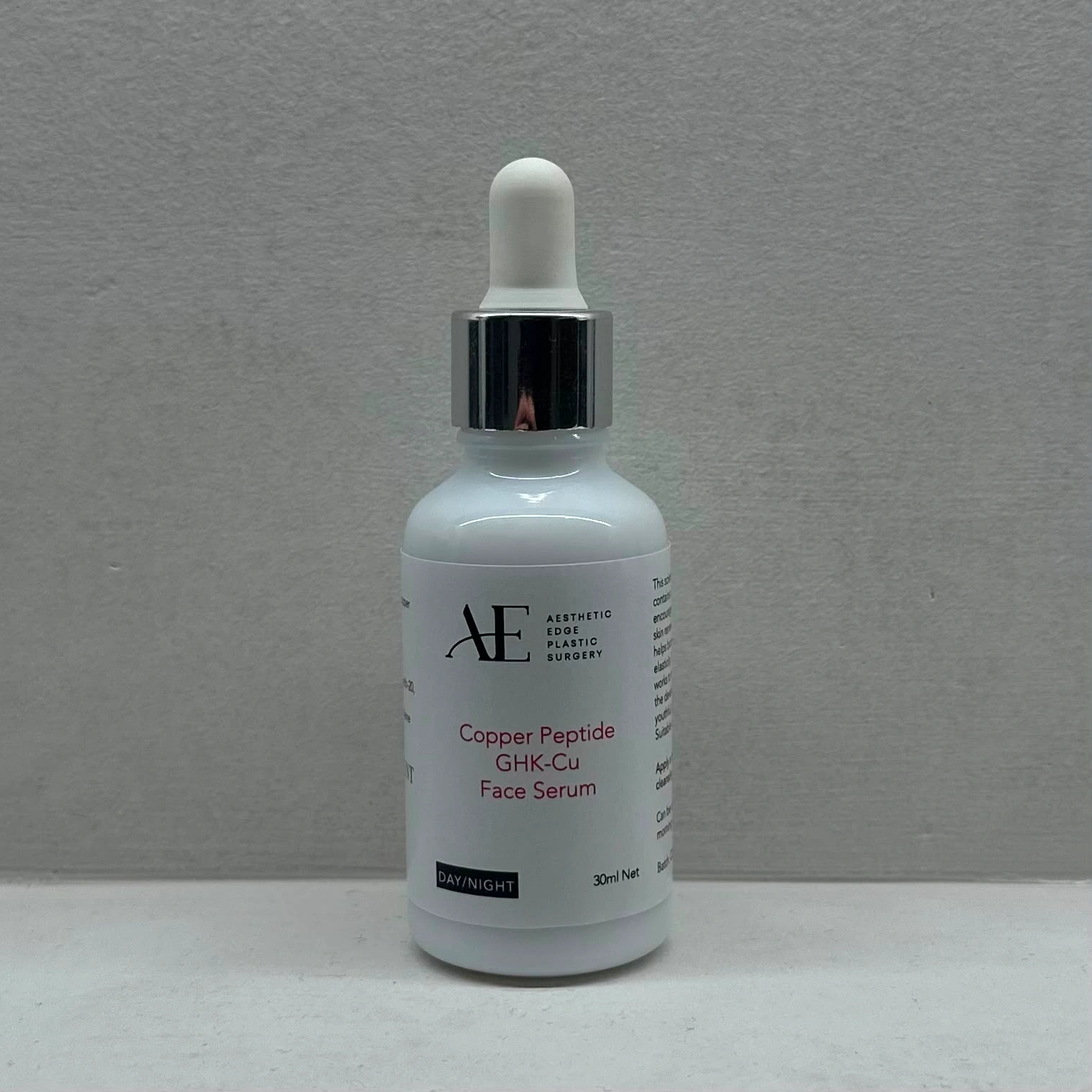
Copper Formulation Serum
Advanced formulation to rejuvenate skin & reduce signs of aging.
Supplement Bundle
Curated nutrients for optimal health, energy & longevity.
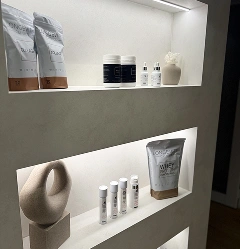
Skincare Pack
Pure Gentle Cleanser, Copper Formulation Serum , Vitamin C, Protect Day Cream, Night Serum, Bright Eye Cream + Vitamin B3 Serum
Consultations
Registered Nurse Consultation
A personalised longevity plan led by a nurse specialising in therapeutic formulations, including a full medical review, with all protocols reviewed and approved by a doctor.
Iv Nutrient Support
Nutrient+ Anti-Aging IV (500mg) with Vitamin
High-dose Nutrient+ with vitamins to boost energy and cellular repair.
Nutrient+ Anti-Aging IV (2500mg) with Vitamins
Nutrient+ with vitamins to boost energy and cellular repair.
Skin Glow (Glutathione)
Glutathione infusion to enhance skin brightness and detoxification.
Customised IV Infusion
Glutathione • Vit B • Vit C • Zinc • Magnesium
Nutrient+ Intramuscular Therapy
Nutrient+ Test
Measures cellular energy levels linked to aging & metabolic health.
Treatments
Infrared Sauna
Detox, relax and improve circulation with gentle, deep-penetrating infrared heat.
Magnesium Float Tank
Drift into total calm while magnesium-rich water eases muscles and quiets the mind.
Compression Boots
Boost recovery and reduce muscle soreness with rhythmic compression that gets you back to training faster.
Red Light Bed
Support skin health, recovery and overall wellbeing with full-body red light therapy.
Longevity
Platinum Package - 12 month Program
- Comprehesive Blood Biomarker Panel
- DEXA Body Composition + Bone Density
- VO2 Max + Functional Performance Testing
- CT Coronary Angiogram
- Full Body MRI
- Nutritionist Consultation
- Doctor Consultation
- Specific Recurring Testing
- + 6 month follow up
- + 12 month follow up
Gold Package - 12 month Program
- Comprehesive Blood Biomarker Panel
- DEXA Body Composition + Bone Density
- VO2 Max + Functional Performance Testing
- Nutritionist Consultation
- Doctor Consultation
- Specific Recurring Testing
- + 6 month follow up
- + 12 month follow up
Silver Package
- Comprehesive Blood Biomarker Panel
- DEXA Body Composition + Bone Density
- VO2 Max + Functional Performance Testing
- CT Coronary Angiogram
- Full Body MRI
- Nutritionist Consultation
- Doctor Consultation
Bronze Package
- Doctor Consultation (Review of patient-provided tests)
Weight Loss Programs
- Medically guided, personalised strategies for sustainable fat loss.
Supplements And Skin Care
Shop NowWhey Protein Concentrate
High-quality protein to support muscle, recovery & overall wellness.
Collagen
Supports skin elasticity, joint health & youthful appearance.
Creatine
Boosts strength, endurance & muscle performance.
Longevity Blend
Targeted nutrients to support healthy aging & cellular vitality.
Magnesium Glycinate
Highly absorbable magnesium for relaxation, sleep & metabolic health.
Premium Fish Oil
Omega-3s to support heart, brain & joint health.
Copper Formulation Serum
Advanced Formulations to rejuvenate skin & reduce signs of aging.
Supplement Bundle
Curated nutrients for optimal health, energy & longevity.
Skincare Pack
(Pure Gentle Cleanser, Copper Formulation Serum, Vitamin C, Protect Day Cream, Night Serum, Bright Eye Cream + Vitamin B3 Serum)
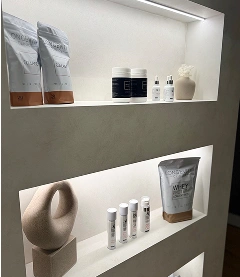
Our supplement and skincare range is available directly at our clinic.
Please note additional tests & personalised services are also available upon consultation.
Trusted and ethical team of Australian doctors and practitioners available online.*
Book Appointment
Your Six-Step Health Roadmap.

Step 01
Complete form
Tell us about your health, lifestyle, and goals before your first appointment.

Step 02
Health Tests & Scans
Complete the recommended tests and screenings to build a clear picture of your health.

Step 03
Consultation
Meet with our clinical team to discuss your concerns, priorities, and medical history.

Step 04
Treatment Plan
Receive a personalised plan based on your results, health risks, and long-term goals.

Step 05
Follow Up
Review your progress, discuss any changes, and adjust your plan as needed.

Step 06
Annual Tests & Scans
Track your health over time with regular assessments and yearly reviews.

Ready to Start Your Health Journey?
There has never been a better time than right now. Dive into your health journey with Longevity Clinics.




 Woollahra Clinic
 175 Edgecliff Road Woollahra NSW 2025
 Get Directions