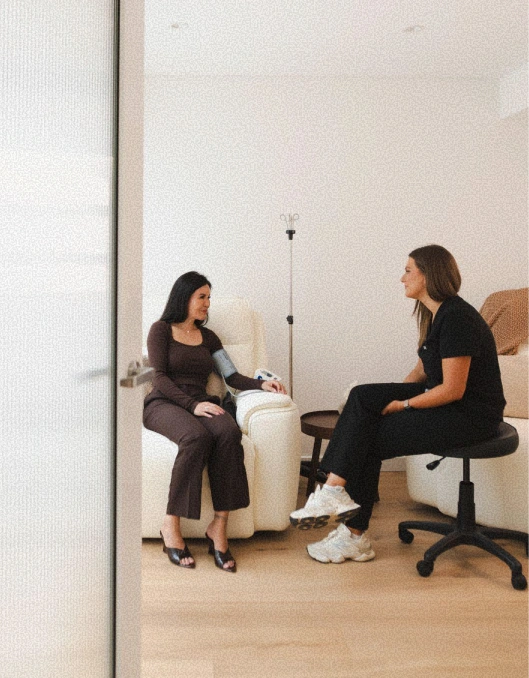



Body weight is useful, but it does not show how that weight is distributed. Two people can have a similar weight while having different amounts of fat, lean tissue and bone. A DEXA, or DXA, scan can provide estimates of these components and show how they are distributed across the body.
This article explains what a DEXA scan measures, how it works, what its results can and cannot tell you, and when it may be useful. It is general health information only and is not a substitute for advice from a qualified health professional.
What is a DEXA scan?
DEXA stands for dual-energy X-ray absorptiometry. It is widely used to measure bone mineral density, particularly at sites such as the hip and spine when assessing bone health and fracture risk.
The same technology can also be used for whole-body composition scanning. Depending on the scanner and software used, a body-composition report can estimate fat mass, lean soft tissue and bone mineral content in different regions of the body.
How does it work?
The scanner uses two low-dose X-ray beams with different energy levels. Bone and soft tissues absorb those beams differently, and the system uses the differences to estimate the composition of the areas being scanned.
For a whole-body scan, you usually lie on your back on a padded table while the scanner moves over you. The procedure is non-invasive and generally does not require you to enter an enclosed space. Scan time depends on the equipment and the examination being performed.
Is a DEXA scan safe?
DEXA uses ionising radiation, but the dose from a DEXA examination is low. The appropriate use of any X-ray-based test should still take account of the reason for the examination and the individual’s circumstances.
Tell the imaging provider before the scan if you are pregnant or might be pregnant, have relevant implants or metal hardware, or have recently undergone another examination involving contrast material or radioactive tracers. The provider can tell you whether the timing of the scan needs to change.
What a body-composition report can show
A whole-body DEXA report may include estimates such as:
- Fat mass and body-fat percentage, including regional estimates for areas such as the arms, legs and trunk.
- Lean soft-tissue mass, which includes muscle, organs, water and other non-fat soft tissue.
- Bone mineral content and related bone measurements produced by the scanner.
- Regional distribution, which can help show differences between parts of the body.
Some systems also provide an estimate of visceral fat. This is a calculated estimate rather than a direct measurement of the fat surrounding individual organs, so it should be interpreted alongside the rest of the report rather than treated as a standalone diagnosis.
What about resting metabolic rate?
Some DEXA reports include an estimated resting metabolic rate. When provided, this is generally calculated using the scan’s body-composition measurements and an equation. It is not the same as directly measuring energy expenditure with a metabolic test, and actual daily energy needs can differ substantially between individuals.
Understanding bone-density scores
A dedicated bone mineral density examination is different from a whole-body composition scan. When bone density is assessed at the hip and spine, the results may be reported using T-scores and Z-scores according to age, sex and clinical context.
For postmenopausal women and men aged 50 years and over, a T-score compares bone density with that of a healthy young-adult reference population. In this clinical context, a T-score of -2.5 or lower is consistent with osteoporosis, while a result between -1.0 and -2.5 is in the range termed low bone mass or osteopenia. In younger adults, Z-scores compare bone density with an age-matched reference population; a Z-score of -2.0 or lower is considered below the expected range for age.
These thresholds apply to appropriately performed and interpreted bone-density measurements. A whole-body body-composition scan should not be treated as a substitute for a dedicated hip and spine bone-density assessment when a clinician has recommended one.
Who may find a body-composition scan useful?
A body-composition scan may be useful for people who want an additional measurement alongside weight, waist circumference, fitness or other health information. Examples can include:
- people beginning a structured training or nutrition programme who want a baseline;
- athletes monitoring changes in body composition during training;
- older adults interested in monitoring lean mass as part of a broader health assessment; and
- people who want more detail than body weight alone can provide.
It is not essential for everyone. A scan should have a clear purpose, and the results are most useful when they can be interpreted in the context of other measures and the individual’s goals.
Important limitations
It is still an estimate
DEXA is an established method for body-composition assessment, but the reported values are estimates produced by the scanner and software. Hydration, body positioning, recent food intake and other technical factors can influence measurements.
Repeat scans should be comparable
If you are using DEXA to monitor change, comparisons are more meaningful when scans are performed on the same machine, using consistent positioning and similar preparation conditions. Small differences between scans may reflect measurement variability rather than a meaningful biological change.
More decimal places do not mean more certainty
A report can display precise-looking numbers, but that does not mean every small change is clinically meaningful. Trends over time are usually more useful than focusing on a single small difference.
Body composition is not the whole picture
Health is not determined by body-fat percentage or lean mass alone. Blood pressure, blood tests, physical function, fitness, sleep, nutrition, medical history and how you feel all provide additional information.
How to prepare
Preparation requirements vary by provider and by the type of scan. Follow the imaging service’s instructions rather than relying on a generic checklist.
For repeat body-composition measurements, consistency is useful. For example, you may be asked to keep the timing of meals, exercise and hydration reasonably similar before each scan.
Tell the imaging provider about relevant implants, recent imaging procedures and any possibility of pregnancy. Wear comfortable clothing and follow any instructions about metal items or changing clothes.
Referrals, Medicare and cost
Medicare coverage depends on the type of examination, the clinical indication and the applicable Medicare Benefits Schedule item. Diagnostic bone densitometry may attract a Medicare rebate when the relevant eligibility requirements are met and the service is performed under the applicable referral arrangements.
Whole-body DEXA scans performed for body-composition or fitness purposes are not automatically Medicare-rebatable. Ask the provider about the exact examination, referral requirements, expected out-of-pocket cost and whether a Medicare item applies before booking.
When a GP assessment may be more appropriate
A body-composition scan should not be used to diagnose a medical condition by itself. If you are concerned about osteoporosis, unexplained weight change, muscle loss, fractures, or another health issue, start with your GP or another appropriately qualified health professional.
Your GP can decide whether a DEXA scan is appropriate, which type of scan is needed, and whether other investigations are more useful.
Body-image considerations
For some people, detailed measurements of body fat, weight and body composition can increase anxiety or unhelpful focus on numbers. If body measurements cause distress or you have a history of disordered eating, discuss whether a body-composition scan is appropriate with your GP or another qualified professional before proceeding.
Body composition is one part of health assessment, not a measure of personal worth or overall health.
What to ask before a scan
- What type of DEXA scan am I having, and what question is it intended to answer?
- Which measurements will be included in the report?
- What preparation is required?
- Will a doctor or qualified health professional help interpret results where appropriate?
- What will the scan cost, and does any Medicare rebate apply?
Key takeaway
A DEXA body-composition scan can provide useful estimates of fat, lean tissue and bone mineral content, particularly when the same method is used consistently over time. It is not a perfect measurement, and it should not replace clinical assessment or other indicators of health.
The most useful approach is to interpret the scan in context: alongside your medical history, goals, physical activity, nutrition and other health measures. A GP, accredited practising dietitian, accredited exercise physiologist or appropriately qualified health professional can help you decide whether the information is useful for your circumstances.


 Woollahra Clinic
 175 Edgecliff Road Woollahra NSW 2025
 Get Directions