


When people talk about longevity, the conversation often focuses on lifespan: how many years a person lives. But longevity is not only about the number of years. It is also about how those years are experienced.
This is where the concept of healthspan becomes useful. Healthspan is generally used to describe the period of life spent in relatively good health and with a level of physical, cognitive and functional ability that supports independence and everyday activities.
Lifespan and healthspan are related, but they are not identical measures. A person may live for many years while also spending some of those years managing chronic disease, disability or limitations in daily function.
Modern healthcare has contributed to substantial improvements in survival and life expectancy. In Australia, life expectancy at birth in 2022–2024 was 81.1 years for boys and 85.1 years for girls.
The broader question is therefore not simply how long people live, but how health, function and independence can be supported throughout those additional years.
What Do We Mean By Healthspan?
Healthspan does not have one universally agreed definition or measurement. Different research studies may use measures such as disability-free life expectancy, healthy life expectancy or health-adjusted life expectancy.
The Australian Institute of Health and Welfare describes health-adjusted life expectancy as a measure that considers both the years a person can expect to live and the amount of those years spent in full health versus ill health.
This is useful because health is more than the absence of a diagnosed disease. Physical function, mobility, cognitive health, mental wellbeing and the ability to participate in everyday life can all influence how a person experiences ageing.
Healthspan is therefore better understood as a broad concept rather than a promise that someone can remain completely free of illness throughout life.
How Lifespan And Healthspan Relate
Life expectancy has increased substantially in Australia over the long term. AIHW data show that between 1967 and 2021, life expectancy increased by 13.7 years for males and 11.2 years for females.
At the same time, living longer does not mean that every additional year will be free from health conditions or disability.
Earlier Australian research into healthy life expectancy found that older people could expect to spend some years living with disability or functional limitations. The measure also showed that disability-free life expectancy itself has improved over time.
This highlights an important point: the relationship between lifespan and healthspan is not simply about eliminating every period of illness. Chronic conditions and disability can be managed, and many people continue to live active and meaningful lives while managing health conditions.
What Can Influence Healthspan?
Health across the lifespan is influenced by many interacting factors. Genetics and age play a role, but so do lifestyle, environment, socioeconomic circumstances, access to healthcare and the presence of chronic disease.
Several areas are particularly relevant to healthy ageing.
Heart And Blood Vessel Health
Cardiovascular health can influence both lifespan and day-to-day function. Managing established risk factors such as high blood pressure, abnormal cholesterol levels, smoking and physical inactivity can form an important part of preventive healthcare.
Appropriate assessment depends on an individual’s age, medical history and other risk factors. A health check should therefore be tailored rather than based on a one-size-fits-all list of tests.
Metabolic Health
Blood glucose, blood pressure, body composition, cholesterol and other metabolic measures can provide useful information about health and disease risk.
However, there is no single “ideal” metabolic profile that applies to every person. Results need to be interpreted in the context of the individual’s circumstances, medical history and overall risk.
Where risk factors such as prediabetes or diabetes are identified, evidence-based management and appropriate follow-up can help reduce the risk of complications.
Brain And Cognitive Health
Cognitive health is another important part of healthy ageing. Staying physically active, avoiding smoking, managing cardiovascular risk factors, maintaining social connections and addressing hearing impairment are among the factors that have been investigated in relation to dementia risk.
The 2024 Lancet Commission on dementia prevention, intervention and care estimated that addressing 14 potentially modifiable risk factors across the life course could theoretically prevent or delay a substantial proportion of dementia cases at a population level. This is a population-level estimate, not a prediction of an individual’s personal risk or a guarantee that dementia can be prevented. Read the Lancet Commission report.
Bones And Muscles
Maintaining muscle strength, balance and mobility becomes increasingly important with age.
Regular physical activity can support cardiovascular fitness, muscle function and bone health. For older adults, activities that incorporate balance and strength can also be useful components of maintaining physical function and reducing fall risk.
The World Health Organization recommends that adults undertake regular physical activity, including at least 150–300 minutes of moderate-intensity aerobic activity per week or an equivalent amount of vigorous activity, together with muscle-strengthening activities on two or more days per week. Recommendations should be adapted where health conditions or other circumstances require it. View the WHO physical activity recommendations
Mental And Social Wellbeing
Mental wellbeing is another part of healthy ageing. Social connection, meaningful activities, adequate sleep, physical activity and appropriate support can all contribute to wellbeing.
Stress is a normal part of life, but persistent or severe stress may affect sleep, mood and daily functioning. Where stress, anxiety or low mood are persistent or interfering with everyday life, professional support may be appropriate.
Why Healthspan And Lifespan Do Not Always Match
Ageing is accompanied by changes in health and function, but the experience varies considerably between individuals.
Some people remain active and independent into older age, while others develop chronic disease or disability earlier. Health-adjusted life expectancy is useful precisely because it recognises that years of life can be experienced in different states of health.
It is therefore more useful to think about healthspan as a population and individual health goal rather than a fixed number of years that can be guaranteed.
The aim of healthy ageing is not to eliminate every health condition. It is to support physical function, cognitive health, independence and quality of life while identifying and appropriately managing health risks and medical conditions.
The Role Of Prevention
Preventive healthcare focuses on reducing avoidable health risks, identifying some conditions earlier and supporting evidence-based interventions before complications develop.
Prevention can include established measures such as vaccination, cancer screening where appropriate, cardiovascular risk assessment, blood pressure monitoring, diabetes assessment and lifestyle support.
It also includes addressing behaviours and exposures that can increase health risk, such as smoking, excessive alcohol consumption and physical inactivity.
Prevention does not mean that every possible test should be performed. Screening and health assessments are most useful when there is a clear clinical purpose and the potential benefits, limitations and follow-up requirements are understood.
Practical Habits That Support Healthy Ageing
There is no single intervention that can guarantee a longer or healthier life. Healthy ageing is more likely to involve several consistent behaviours over time.
Eat A Balanced Diet
A varied diet that includes vegetables, fruit, whole grains, legumes, appropriate sources of protein and unsaturated fats can support overall health.
The appropriate dietary pattern varies between people. Specific nutritional needs may also change with age, medical conditions, activity levels and medications.
Stay Physically Active
Regular movement supports cardiovascular fitness, muscle strength, mobility and general wellbeing.
A combination of aerobic activity and resistance training can be particularly useful. For older adults, balance-focused activity may also be appropriate.
People who are currently inactive do not need to make a dramatic change overnight. Starting with manageable amounts and gradually increasing activity can be a practical approach.
Prioritise Sleep
Sleep is an important part of physical and mental wellbeing. Persistent sleep problems can affect concentration, mood, daytime functioning and other aspects of health.
Rather than assuming that everyone needs exactly the same amount of sleep, attention should be given to sleep quality, regularity and daytime functioning. Persistent or significant sleep problems may warrant medical assessment.
Avoid Tobacco And Moderate Alcohol Intake
Not smoking is one of the most important modifiable behaviours for long-term health.
Alcohol can also affect health, and reducing intake can lower exposure to alcohol-related risks. The Australian alcohol guidelines provide evidence-based recommendations for reducing alcohol-related harm.
Maintain Social And Mental Wellbeing
Maintaining relationships, social participation and meaningful activities can contribute to wellbeing and quality of life.
Mental health should also be treated as part of overall health rather than as something separate from physical wellbeing.
The Value Of Appropriate Health Assessments
Many health conditions can develop without obvious symptoms. High blood pressure, elevated cholesterol and early abnormalities in blood glucose are examples of risk factors that may not cause noticeable symptoms.
Appropriate health assessments can help identify certain risk factors or conditions and provide an opportunity to discuss prevention and management.
However, a “comprehensive health check” should not automatically mean extensive testing. The appropriate assessment depends on factors such as age, sex, medical history, family history, symptoms, existing conditions and individual risk.
The purpose of testing should be clear: a result should ideally provide information that can help guide an appropriate clinical decision.
Why The Conversation Matters As Populations Age
Australia’s population is ageing, and Australians are living longer than previous generations. AIHW data show that life expectancy has continued to increase, with substantial growth in the number of people reaching older ages.
This makes healthy ageing an important public health and personal health topic.
Maintaining mobility, managing chronic conditions, supporting cognitive health and preserving independence can all influence how people experience later life.
The goal should not be to promise a particular lifespan or to suggest that ageing can be avoided. Instead, it is about identifying evidence-based opportunities to support health and function across the years.
Bringing It Together
Lifespan tells us about how long people live. Healthspan is a broader concept concerned with the quality and functional health of those years.
The two measures are connected, but neither tells the whole story on its own.
Healthy ageing is influenced by factors that include physical activity, nutrition, sleep, mental wellbeing, social connection, smoking, alcohol use, cardiovascular risk and appropriate medical care.
Some health risks can be modified, some conditions can be treated or managed, and some aspects of ageing cannot be controlled. Recognising that distinction helps keep longevity discussions realistic.
How Longevity Clinics Can Support Preventive Health
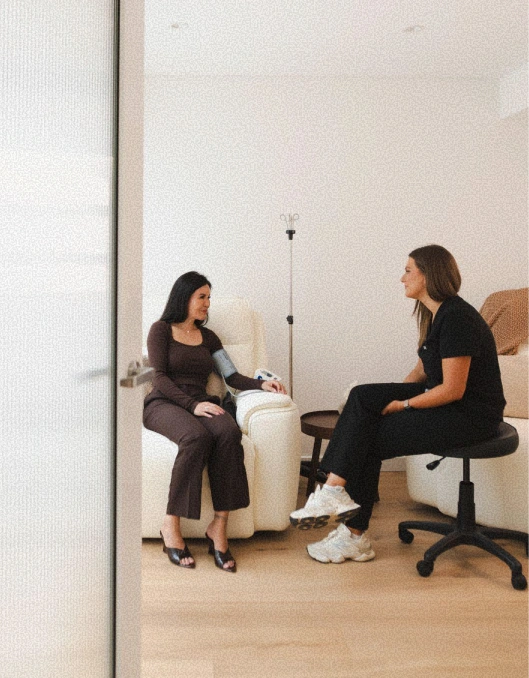
At Longevity Clinics, health assessments may be used to discuss an individual’s current health, risk factors and broader health goals.
The appropriate assessment depends on the person’s circumstances. Where investigations are recommended, their purpose, limitations and potential implications should be discussed with an appropriately qualified healthcare professional.
For someone interested in healthy ageing, a useful starting point is not necessarily the largest number of tests. It is understanding which areas of health are relevant to their circumstances and what evidence-based steps may be appropriate.
Final Thoughts
Living longer is an important achievement, but the experience of those additional years matters too.
Healthspan provides a useful way of thinking about healthy ageing because it draws attention to physical function, cognitive health, independence and quality of life alongside survival.
There is no guaranteed formula for extending healthspan. The most established opportunities involve consistent health behaviours, appropriate preventive care, management of known risk factors and timely medical attention when problems arise.
The aim is not simply to add years to life. It is to support health and function throughout those years, while recognising that individual outcomes vary and that ageing cannot be completely controlled.


 Woollahra Clinic
 175 Edgecliff Road Woollahra NSW 2025
 Get Directions