

There are times when people want to make changes to their health and wellbeing but find it difficult to turn good intentions into consistent habits. Work, family commitments, travel, stress, sleep patterns and everyday routines can all affect how easy it is to maintain changes over time.
Health information is widely available, but knowing what may support healthier habits does not always make those habits easier to maintain. Health coaching is one approach that can provide structure, goal-setting and ongoing support as a person works towards realistic health and wellbeing goals.
Health coaching is not a replacement for medical care or other qualified health professionals. Depending on a person’s circumstances, coaching may sit alongside advice or care from a general practitioner, dietitian, exercise physiologist, psychologist or other appropriately qualified practitioner.
What Health Coaching Really Is (and Why It’s Different From Just Advice)
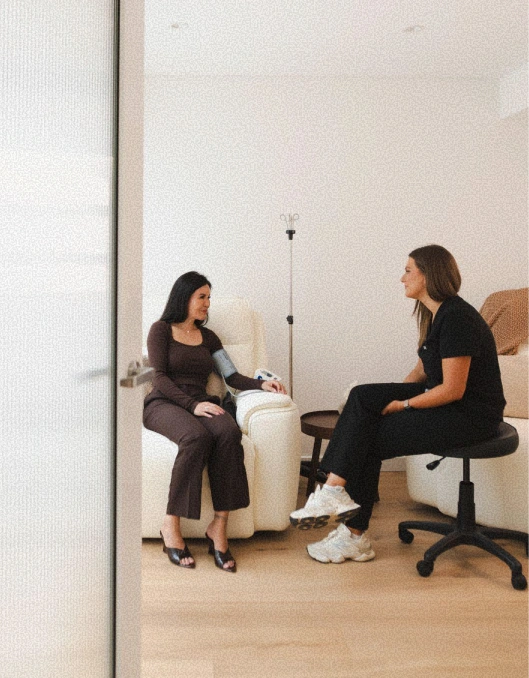
Health coaching generally focuses on helping a person identify goals, explore barriers to change and develop practical strategies that fit their circumstances. Rather than simply providing a list of instructions, a coaching conversation may involve questions, reflection, goal-setting, planning and follow-up.
The exact approach varies between practitioners and programs. Some health coaching models use techniques such as goal-setting, motivational interviewing, self-monitoring and regular follow-up. The purpose is generally to support a person in making and maintaining behaviour changes that are appropriate for them.
A coach should work within their scope of practice. Where a concern requires diagnosis, medical assessment, treatment or specialist advice, an appropriately qualified health professional should be involved.
Why Health Coaching May Support Motivation And Behaviour Change
Motivation can change over time, so relying on motivation or willpower alone may not be enough for everyone. Health coaching may provide additional structure and accountability by helping people:
- identify practical barriers that may be affecting their health goals
- set realistic and measurable goals
- develop routines that fit their circumstances
- review progress and adjust goals when circumstances change
- recognise setbacks as opportunities to review what is and is not working
Research has examined health coaching as an approach to supporting health behaviours. A systematic review and meta-analysis of randomised trials involving adults with cardiovascular risk factors found small but statistically significant effects for several behaviours, including physical activity, dietary behaviours, health responsibility and stress management. Results varied between studies, and this evidence does not mean that coaching will produce the same outcome for every person.
For that reason, health coaching is better viewed as one possible support for behaviour change rather than a guaranteed solution or replacement for clinical care.
How Health Coaching Can Complement Dietitians And Exercise Physiologists
Different health professionals have different scopes of practice. A dietitian can provide individualised nutrition advice, while an accredited exercise physiologist can provide exercise-related assessment and guidance within their professional scope. A health coach may focus more broadly on goal-setting, planning, accountability and supporting behaviour change.
These roles can sometimes complement one another, but they are not interchangeable. A health coach should not present themselves as providing nutrition, exercise, psychological or medical care unless they hold the appropriate qualifications and registration to do so.
Where a person has a medical condition, significant symptoms, complex nutritional needs or other health concerns, professional assessment should be considered before making substantial changes to their health routine.
Who Might Consider Health Coaching And Why?
Health coaching may be considered by people who want structured support while working towards personal health and wellbeing goals. This could include people who:
- find it difficult to maintain new routines over time
- want help setting practical and achievable goals
- are looking for additional accountability when making lifestyle changes
- want to review how factors such as routines, environment, sleep or activity may affect their goals
People with diagnosed health conditions or concerns about symptoms should seek appropriate medical or allied-health advice. Coaching should not be presented as a way to diagnose, prevent or treat a medical condition unless the relevant service and practitioner are appropriately qualified and the claim is supported and permitted.
Taking The First Step Towards Healthier Habits With Coaching Support
Changing several aspects of daily life at once can feel difficult. A coaching approach may instead focus on smaller, practical changes that can be reviewed over time. Depending on the person’s goals, this could involve planning regular physical activity, establishing a more consistent sleep routine, reviewing daily habits or identifying situations that make a particular goal harder to maintain.
There is no universal timeframe for behaviour change. Progress can vary between individuals and may be affected by personal circumstances, health status, environment and the type of goal being pursued. A realistic plan should allow for setbacks and adjustments rather than assuming that progress will always be linear.
Why Ongoing Support May Be Useful
Health behaviour change is often an ongoing process rather than a single decision. Regular conversations can provide an opportunity to review goals, identify barriers and consider whether a strategy remains practical.
Health coaching is not a guarantee of long-term adherence or a particular health outcome. Its potential value depends on factors such as the quality of the coaching approach, the person’s goals and circumstances, and the support they receive from other health professionals when appropriate.
Bringing It All Together – Health Coaching As A Support For Long-Term Wellbeing
Health coaching can provide structured support for people who are working towards health and wellbeing goals. Rather than promising a particular result, a responsible coaching approach focuses on practical goals, informed decision-making, realistic planning and review.
For some people, coaching may complement advice from qualified health professionals and provide additional structure around everyday behaviour change. Whether it is appropriate depends on the individual’s circumstances and the nature of their goals.
If you are considering health coaching, ask about the coach’s qualifications, scope of practice, approach to privacy and how they work with other health professionals when medical or allied-health input is required.


 Woollahra Clinic
 175 Edgecliff Road Woollahra NSW 2025
 Get Directions