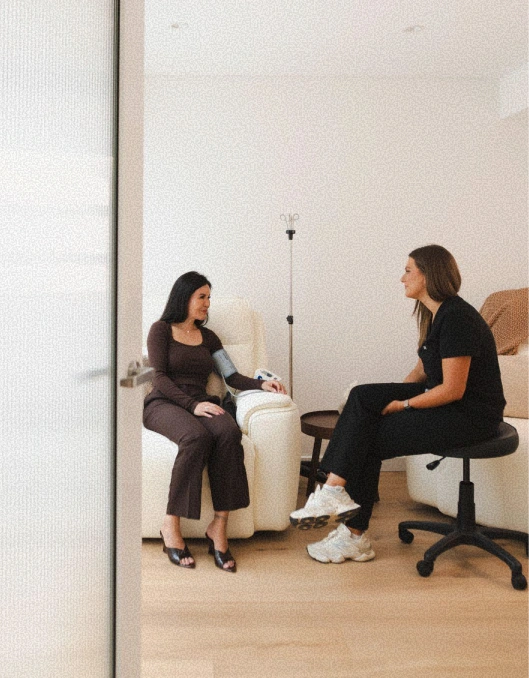



Biohacking is a broad term for making informed changes to lifestyle habits or using personal health information to better understand factors that influence wellbeing. It can involve sleep routines, nutrition, physical activity, stress management, and health tracking.
If you are exploring biohacking in Australia, it helps to understand what these approaches involve, which practices have established evidence, and where claims may be uncertain. This guide explains the basics, including considerations for women and what to look for when researching a biohacking clinic.
What Is Biohacking?
The term biohacking does not describe one specific treatment. It covers a range of approaches intended to help people understand or modify aspects of their lifestyle, health behaviours or environment.
Some approaches are familiar, such as maintaining regular sleep routines and exercising consistently. Others involve wearable devices, health assessments, or monitoring selected health measures.
The evidence behind biohacking varies considerably. A well-established lifestyle practice should not be treated as equivalent to an experimental technique or an unvalidated commercial health claim.
How Does Biohacking Work?
Biohacking generally involves identifying a personal goal, reviewing relevant information, and making measured changes where appropriate. For example, someone might review their sleep routine, introduce regular physical activity or track activity levels to better understand their habits.
Common areas include:
- Sleep: Maintaining consistent sleep and wake times and developing habits that support adequate rest.
- Nutrition: Considering balanced eating patterns and individual dietary needs.
- Movement: Incorporating regular physical activity and strength-based exercise appropriate to personal ability.
- Stress management: Exploring practical approaches such as relaxation exercises or mindfulness.
- Health tracking: Using suitable devices or assessments to monitor selected measures over time.
Tracking information can help identify patterns, but it does not automatically establish a diagnosis or prove that a particular intervention is effective. Consumer devices and tests also have limitations. Health concerns should be assessed by an appropriately qualified healthcare professional.
What Is a Biohacking Clinic?
A biohacking clinic may offer health consultations, assessments, lifestyle-focused guidance and selected wellness services. The services available differ between providers, so it is worth checking what is offered and who is qualified to provide it.
When researching a biohacking clinic in Australia, consider whether the approach is explained clearly, whether claims are supported by reliable evidence, and whether the practitioner discusses limitations and potential risks.
Ask what an assessment can tell you, whether testing is necessary, how your information will be used, and what additional costs may apply. Be cautious of claims promising to reverse ageing, guarantee longevity, or produce specific biological changes without adequate evidence.
Biohacking for Women: What Should You Consider?
Biohacking for women may involve reviewing everyday health habits alongside individual circumstances, such as sleep patterns, activity levels, nutritional needs and changes across different life stages.
There is no single routine that suits every woman. Factors such as medical history, pregnancy, menopause, existing conditions and current medicines may affect which approaches are appropriate.
Be particularly cautious of programmes that promise to balance hormones, correct deficiencies or resolve symptoms without proper assessment. Testing and supplements are not automatically necessary, and results should be interpreted in context. Discuss persistent symptoms or health concerns with your GP or another appropriately qualified practitioner.
Is Biohacking Backed by Science?
Some practices associated with biohacking, including regular physical activity and adequate sleep, are supported by established health evidence. Other approaches, including some commercial tests and emerging technologies, may have limited or uncertain evidence for the claims being made.
The term itself is not a measure of scientific credibility. Consider the quality of the evidence, its relevance to your circumstances, possible risks, and whether a claimed benefit has been demonstrated in appropriate studies.
More testing does not always lead to better health decisions. Assessments should have a clear purpose, and results should be interpreted by a suitably qualified professional when clinical expertise is required.
Exploring Biohacking Services in Australia
If you are considering professional support, start with your goals and the questions you want answered. A consultation may help you understand the available options, whether an assessment is appropriate and what limitations apply.
Longevity Clinics provides information about biohacking, including lifestyle factors, health assessments and personalised strategies. Depending on individual goals and circumstances, exploring these options may involve discussing relevant health information, the purpose of any proposed assessments and the approaches available.
Visit our biohacking service page to learn more about our approach and how to enquire about a consultation.
Before proceeding with any service, ask about its purpose, supporting evidence, costs, risks and suitability for your circumstances. General wellness information cannot replace individual medical advice.
Making Informed Wellness Decisions
Biohacking can be a way to explore lifestyle habits and understand selected aspects of personal health, but not every approach is necessary or supported by strong evidence. Start with realistic goals, assess claims carefully, and seek qualified advice when needed. The most appropriate approach depends on your individual circumstances, rather than following every new wellness trend.
FAQs
1. What Is Biohacking in Simple Terms?
Biohacking means making informed changes to lifestyle habits or using health information to understand aspects of wellbeing. The methods and supporting evidence vary depending on the approach.
2. Can I Start Biohacking at Home?
Many people begin with everyday habits such as consistent sleep routines, balanced nutrition, and regular physical activity. More complex interventions or health concerns may require professional advice.
3. What Does a Biohacking Clinic Do?
Services vary by clinic but may include consultations, assessments, lifestyle guidance, and selected wellness services. Check the provider’s qualifications, the purpose of each service and the evidence supporting relevant claims.
4. Is Biohacking for Women Different?
Some considerations may differ according to individual health needs and life stage. There is no universal programme for women, and medical concerns should be discussed with an appropriately qualified practitioner.
5. Is Biohacking Scientifically Proven?
Biohacking is an umbrella term, not one scientifically validated treatment. Evidence must be considered separately for each practice, test, or technology.


 Woollahra Clinic

 175 Edgecliff Road Woollahra NSW 2025

 Get Directions